Coastal Southern California offers year-round sunshine, mild temperatures, and ocean breezes — but those same conditions can be surprisingly tough on outdoor structures. Property owners near the coast often assume fences will last longer here than in harsher climates, yet salt air, moisture, and constant sun exposure can significantly impact how long a fence truly holds up.
When it comes to fence lifespan, not all materials perform equally in coastal environments. Some fencing options naturally resist corrosion and UV damage, while others require frequent maintenance to avoid premature wear. Understanding how different materials respond to coastal conditions is key to choosing a fence that lasts, both structurally and visually.
In this guide, we’ll break down what affects fence longevity in coastal San Diego and compare how common fencing materials perform over time. Whether you’re planning ahead for a new fence or evaluating the durability of your current one, this overview will help clarify which factors matter most near the coast.
What Affects Fence Lifespan in Coastal San Diego?
Fence lifespan isn’t determined by material alone. San Diego presents a unique mix of environmental factors that can impact a fence’s durability depending on how well the material is suited to those conditions.
Salt Air and Corrosion
Salt carried in ocean air is one of the biggest contributors to fence deterioration along the coast. Even properties several miles inland can experience salt exposure, which accelerates corrosion in metal components and fasteners. Over time, untreated or poorly protected metals may rust or weaken. This makes corrosion resistance a critical factor when evaluating fence materials for coastal durability.
Moisture, Humidity, and the Marine Layer
While Southern California is often thought of as dry, coastal areas experience frequent moisture through humidity and marine layer fog. This lingering dampness can penetrate porous materials, leading to warping, mold growth, or rot — especially in fencing materials that absorb water. Moisture exposure is a primary reason some fences deteriorate faster near the coast than in inland neighborhoods.
UV Exposure and Sun Fading
Coastal fences are exposed to consistent sunlight year-round. Prolonged UV exposure can cause fading, brittleness, or surface breakdown in certain materials. While some fencing options are engineered to resist UV damage, others may require refinishing or replacement sooner due to sun exposure alone.
Maintenance Requirements and Long-Term Wear
How often a fence needs maintenance directly impacts how long it lasts in coastal environments. Materials that require frequent sealing, painting, or rust prevention tend to degrade faster if upkeep is delayed. Lower-maintenance materials often achieve longer lifespans simply because they’re less dependent on ongoing intervention.
Comparing Fence Materials by Longevity in Coastal Climates
When evaluating fence lifespan in coastal areas, it’s important to look beyond appearance and upfront cost. Longevity depends on how well a material withstands salt air, moisture, sun exposure, and ongoing wear over time.
Vinyl Fencing
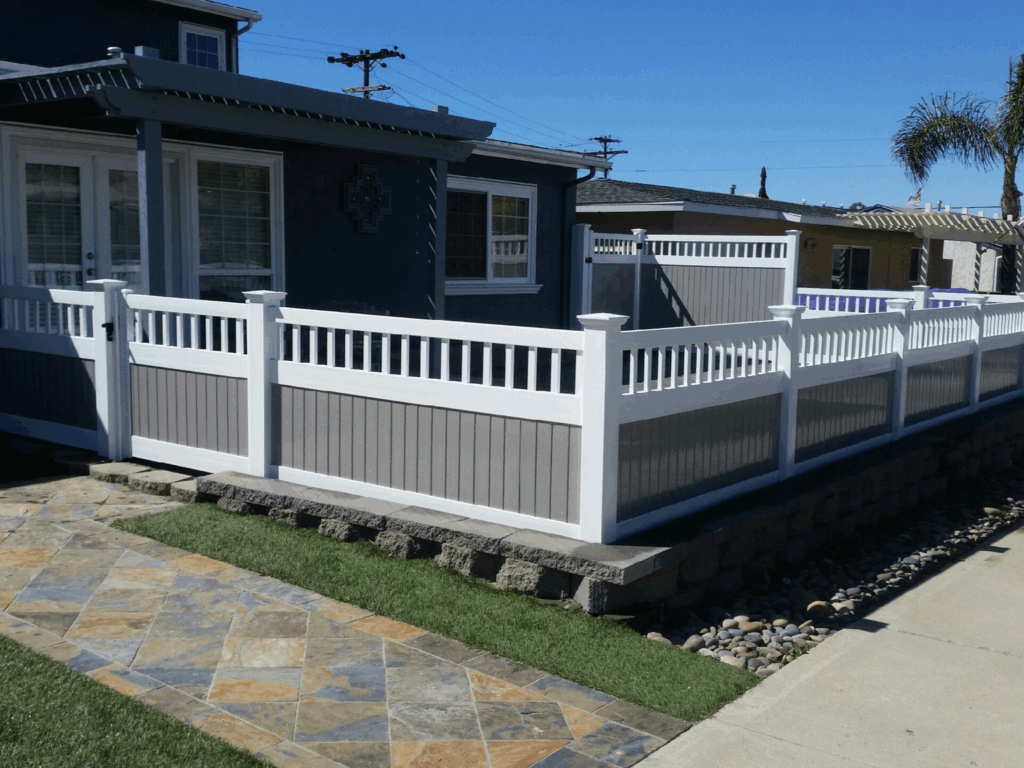
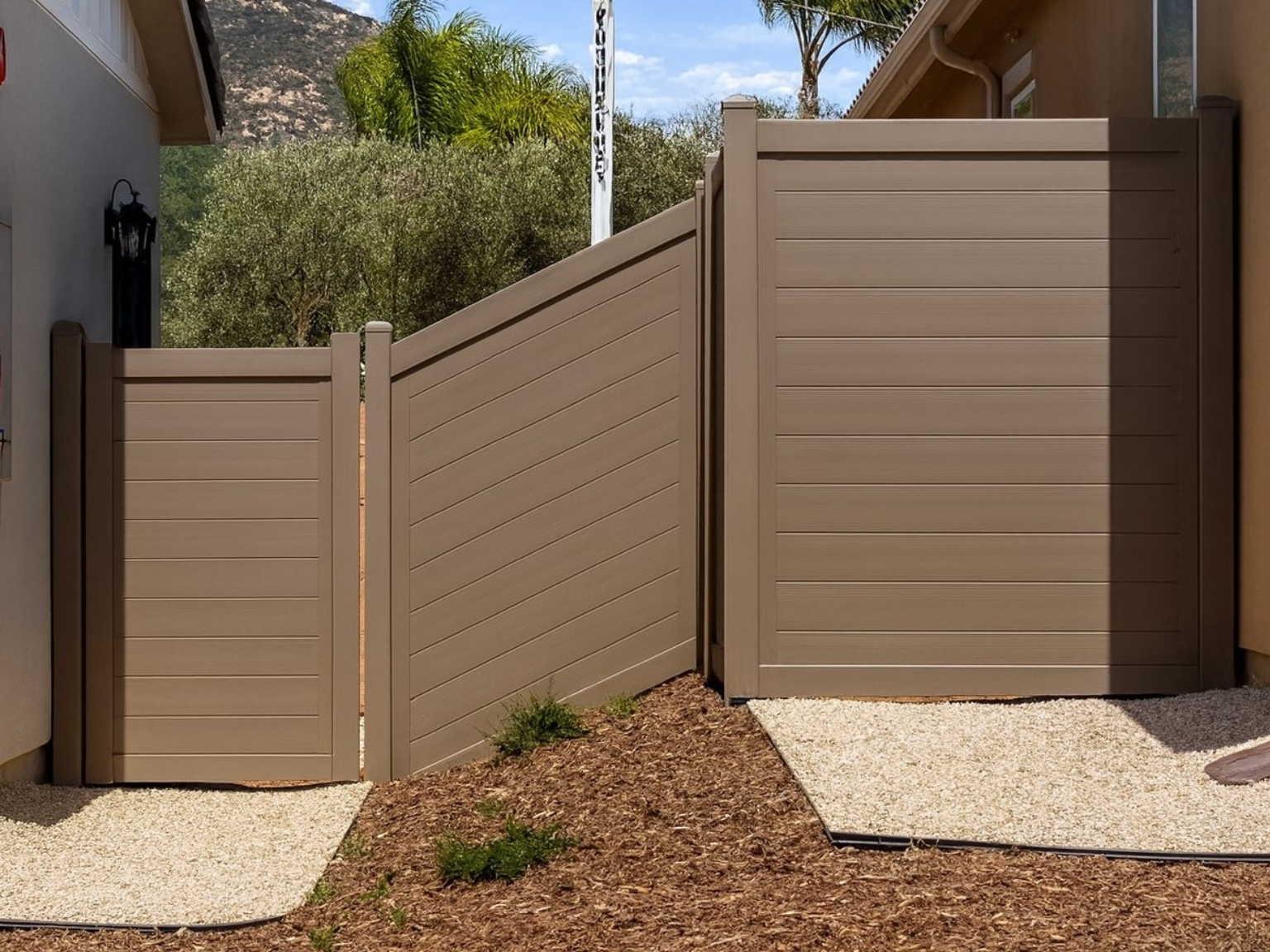
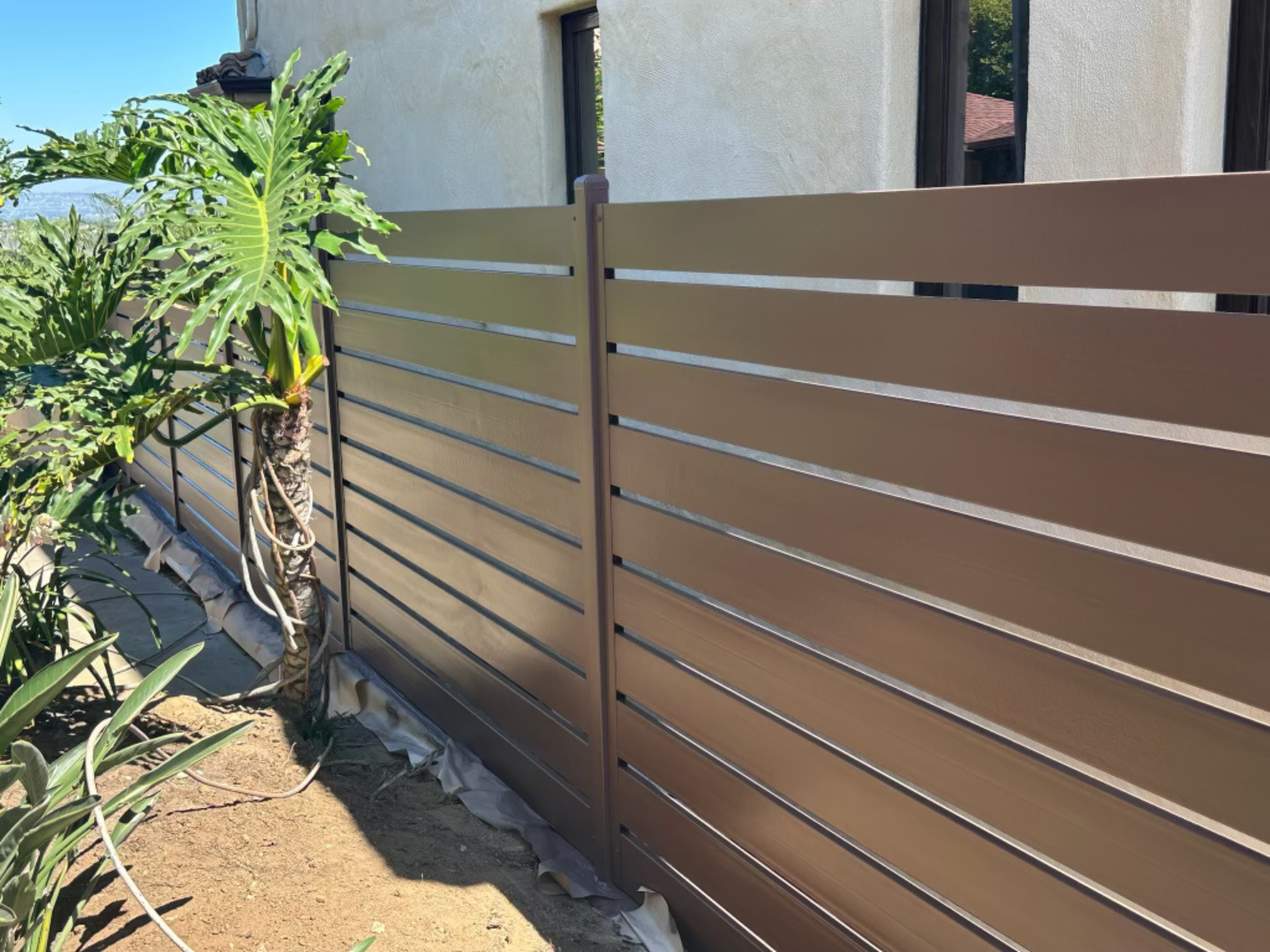
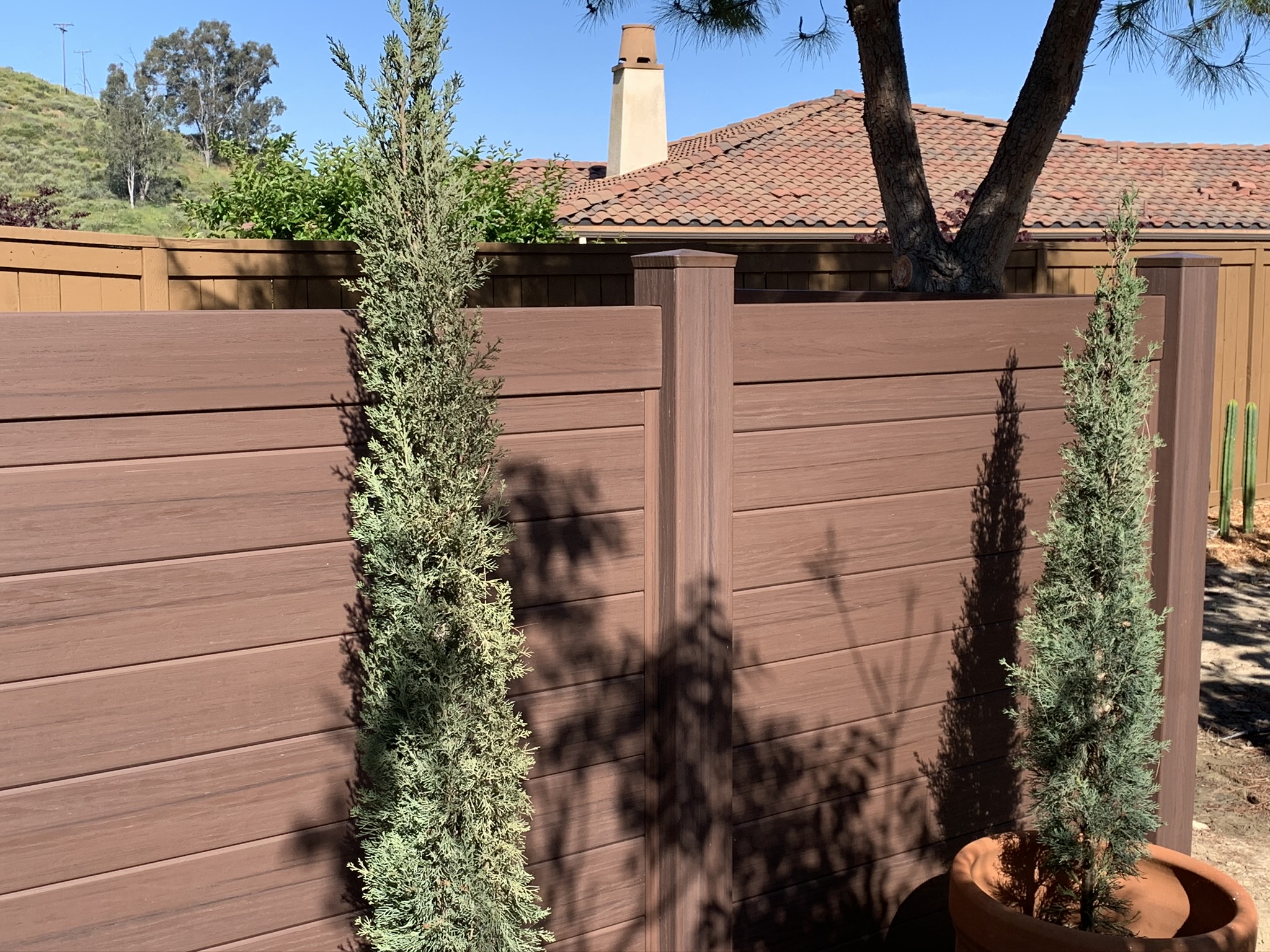
Vinyl fencing is often considered one of the most durable fencing materials for coastal environments. Because it’s non-porous, vinyl does not absorb moisture, making it highly resistant to warping and mold. Plus, it can give the appearance of wood without any risk of termite damage.
Modern vinyl fencing is weather-resistant, making it less prone to fading and brittleness caused by constant sun exposure. In terms of lifespan, vinyl fences can often last 20-30 years when properly installed, with minimal maintenance required. Occasional cleaning with water is typically enough to keep vinyl fencing looking and performing well over time.
Ornamental Iron Fencing
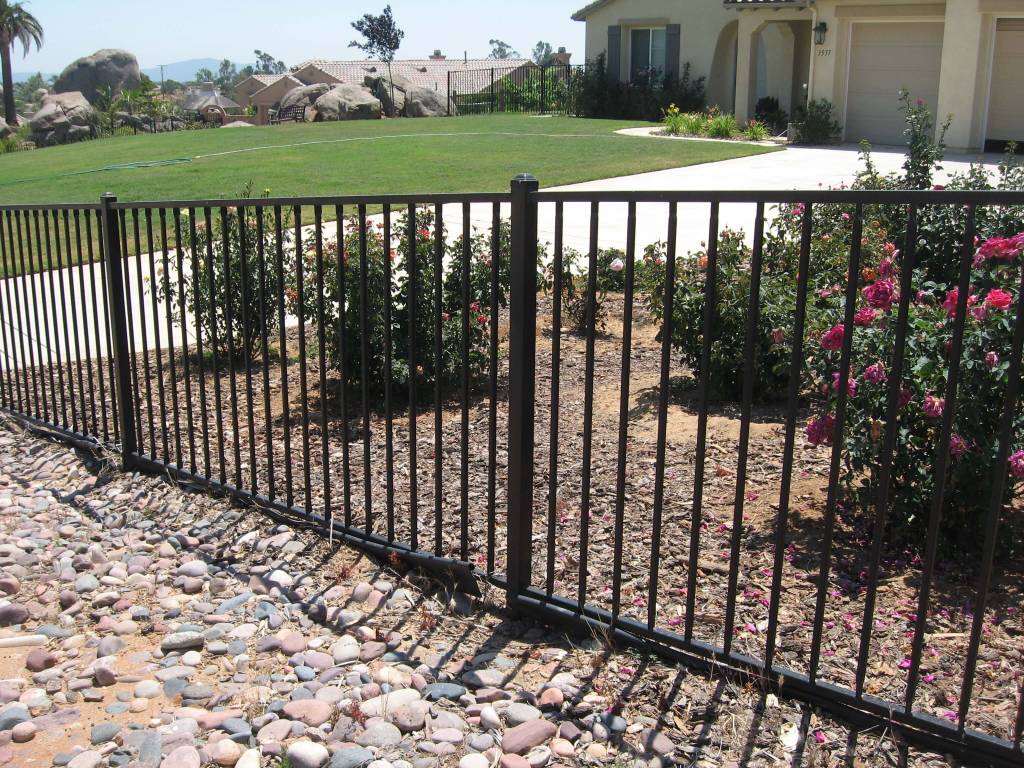
Ornamental iron fencing is known for its strength and structural durability, which can translate to a long lifespan in coastal climates — provided it’s properly protected. The biggest threat to iron fencing near the ocean is corrosion caused by salt air.
Protective coatings and finishes play a critical role in how well ornamental iron holds up near the coast. When finishes are intact and maintained, ornamental iron fencing can remain structurally sound for many years. At Alpine Fence, high-quality pre-galvanized steel and a protective black powder coating finish are used to help fencing withstand San Diego’s coastal climate.
Wood Fencing
Wood fencing tends to have a shorter lifespan near the coast compared to other materials due to the effects of salt air, humidity, and marine layer moisture. Without consistent maintenance, wood fences in coastal climates often show signs of deterioration sooner than those located inland.
While wood fencing offers natural aesthetics, homeowners near the coast should factor in higher maintenance demands when evaluating long-term durability. The good thing about wood fencing is that it can be repaired board-by-board, so there’s no need to replace entire sections.
Chain Link Fencing
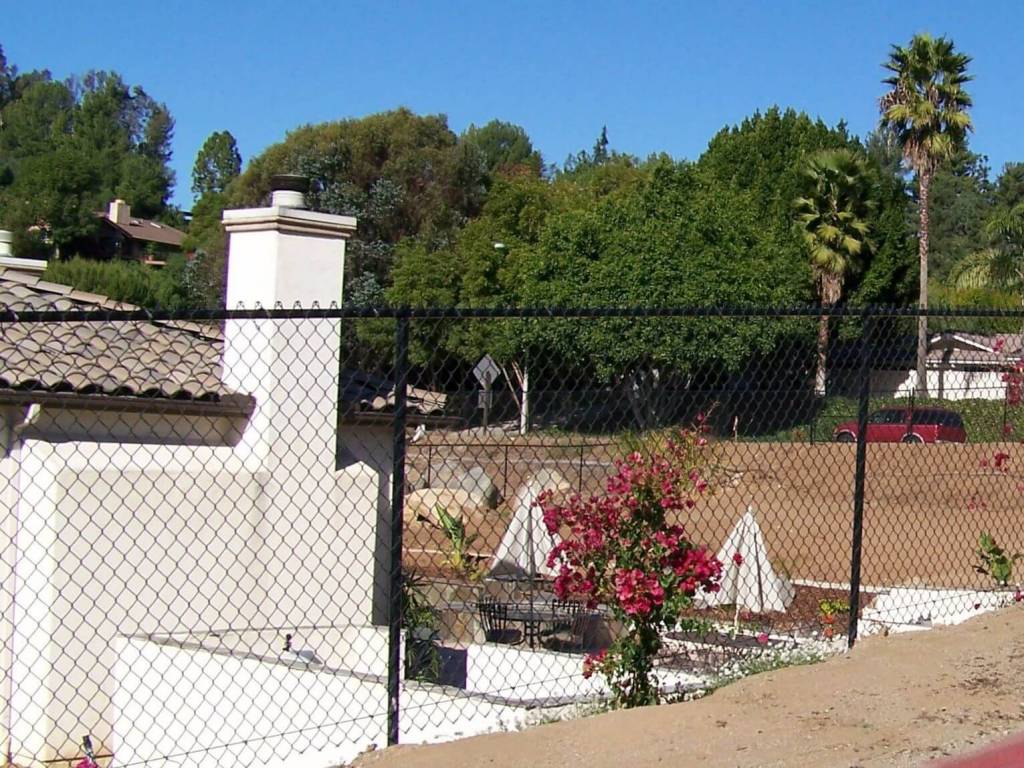
Chain link fencing can be a durable option in San Diego, but longevity largely depends on the type of coating used. Professionals, like those at Alpine Fence, use a galvanized steel coating to help resist corrosion. Vinyl slats in chain link fencing also generally perform better near the coast, as the vinyl adds an extra layer of protection against wind and moisture.
Chain link fencing is often valued for its practicality and strength, though its long-term performance near the coast varies based on exposure and protective treatments.
Choosing Longevity Based on Coastal Exposure
Not all coastal properties face the same level of exposure. Homes closer to the shoreline, in fog-prone areas, or with limited airflow may experience faster material degradation than properties farther inland.
Understanding how much exposure a property receives helps determine which fencing materials will deliver the longest lifespan for that specific location — rather than relying on a one-size-fits-all answer.
How Maintenance Impacts Fence Lifespan in Coastal San Diego
Maintenance plays a direct role in how long a fence actually lasts — sometimes more than the material itself. Salt air, moisture, and sun exposure create a steady cycle of wear that can quietly shorten a fence’s lifespan if small issues are left unaddressed.
Rather than causing sudden failure, coastal conditions tend to lead to gradual deterioration. This makes routine upkeep especially important for preserving long-term durability.
Low-Maintenance vs. High-Maintenance Fence Materials
One of the biggest differences between fencing materials is how much ongoing care they require to remain structurally sound.
Low-maintenance fencing materials are designed to withstand environmental exposure with minimal intervention. They’re less sensitive to delayed upkeep and typically maintain their appearance and integrity over time with simple cleaning and occasional inspections.
High-maintenance materials, on the other hand, depend on regular treatments — such as sealing, painting, or rust prevention — to slow the effects of moisture and salt. When maintenance schedules slip, deterioration can accelerate quickly, particularly in coastal environments.
Over time, this difference in maintenance demands often determines which fences achieve their full expected lifespan and which fall short.
How Salt Air Accelerates Wear Without Proper Upkeep
Salt particles in the air don’t just affect metal fencing — they can settle on any surface. When salt residue combines with moisture, it can break down finishes, weaken protective coatings, and create conditions that lead to material fatigue.
Routine cleaning helps remove salt buildup before it causes long-term damage. In San Diego, even simple maintenance steps can significantly slow environmental wear when done consistently.
Preventative Maintenance Extends Fence Longevity
Preventative care is often the most effective way to extend fence lifespan near the coast. Regular inspections allow small issues — such as compromised coatings, loose fasteners, or surface wear — to be addressed before they become structural problems.
Fences that receive periodic attention tend to age more predictably and maintain their functionality longer than those that are only repaired after visible damage appears.
Realistic Expectations for Coastal Fence Lifespan
No fence is completely maintenance-free, especially in coastal Southern California. However, fences that align with a homeowner’s willingness to maintain them are far more likely to reach their full lifespan.
Understanding the level of care required — and committing to it — is often the difference between a fence that lasts decades and one that needs replacement sooner than expected.
Choosing the Right Fence for Your Coastal Property
Selecting a fence for a coastal San Diego property isn’t just about choosing the longest-lasting material on paper. The right fence is one that aligns with your location, exposure level, and long-term maintenance expectations.
Coastal environments vary significantly from one neighborhood to the next. Properties closer to the shoreline, in fog-prone areas, or with limited airflow often experience faster material wear than homes farther inland. Understanding these differences helps narrow down which fencing options will perform best over time.
Consider Your Property’s Coastal Exposure
The amount of salt air and moisture a fence is exposed to plays a major role in its longevity. Homes near the ocean or in areas affected by the marine layer may benefit from materials that resist corrosion and moisture absorption, while properties farther inland may have more flexibility.
Balance Longevity With Maintenance Commitment
Fence lifespan is closely tied to how much ongoing care a homeowner is willing to provide. Some fencing materials require minimal upkeep to maintain their structure and appearance, while others rely on regular treatments to withstand coastal conditions.
Choosing a fence that matches your maintenance expectations helps ensure it reaches its full usable lifespan without becoming a recurring project.
Match Fence Performance to Property Goals
Different properties have different priorities — privacy, security, visibility, or curb appeal. The most durable fence for one home may not be the best fit for another depending on how the fence is used and how much exposure it receives.
Considering both performance and function leads to better long-term results, especially in coastal climates where environmental stress is constant.
Why Local Coastal Experience Matters
Fence longevity near the coast isn’t just about material selection — it’s also about understanding local conditions. Knowledge of coastal weather patterns, soil conditions, and exposure levels helps ensure fencing solutions are suited for the environment they’ll face over time.
Working with professionals who understand San Diego’s coastal conditions can help homeowners choose fencing options that perform reliably for years to come.
Frequently Asked Questions About Fence Lifespan in Coastal San Diego
What type of fence lasts the longest in coastal San Diego?
Along San Diego’s coast, the longest-lasting fence materials are typically those that resist moisture absorption and corrosion. Non-porous and corrosion-resistant materials tend to perform better over time in environments with salt air, humidity, and consistent sun exposure. Lifespan ultimately depends on both material choice and maintenance practices.
Does salt air damage all types of fencing?
Salt air can affect most fencing materials over time, but the degree of impact varies. Metal components are especially vulnerable to corrosion if not properly protected, while porous materials may absorb moisture that accelerates deterioration. Fencing materials designed for coastal durability are generally better equipped to withstand salt exposure.
Is vinyl fencing better than metal fencing near the ocean?
Vinyl and metal fencing perform differently in coastal environments. Vinyl is naturally resistant to moisture and corrosion, while metal fencing relies on protective coatings to prevent rust. The better option depends on exposure level, maintenance expectations, and long-term durability goals rather than material type alone.
How long does a wood fence last near the coast?
Wood fences near the coast typically have a shorter lifespan than non-porous materials due to moisture, salt air, and humidity. Regular sealing and maintenance can extend a wood fence’s lifespan, but coastal conditions often accelerate wear compared to inland areas.
What fencing material requires the least maintenance in coastal climates?
Fencing materials that resist moisture, corrosion, and UV exposure generally require the least maintenance in coastal climates. These materials, like vinyl, are less dependent on frequent treatments and are better suited for environments where salt air and humidity are ongoing factors.
Can fence lifespan be extended in coastal environments?
Yes, fence lifespan can often be extended through preventative maintenance. Regular cleaning, inspections, and early repairs help minimize the long-term effects of salt air, moisture, and sun exposure. Choosing materials suited for coastal conditions also plays a significant role in longevity.
Who are the fence installation experts in San Diego?
Alpine Fence Company is San Diego’s go-to fence installation expert. With over 40 years of hands-on experience, our skilled in-house teams handle every step from free on-site estimates and DigAlert utility checks to precise post-setting, panel assembly, gate installation and final cleanup. We install vinyl, wood, ornamental iron and chain link fencing for residential and commercial properties throughout San Diego County.
Choosing a Fence Built to Last in Coastal San Diego
San Diego’s coast presents unique challenges that directly affect fence lifespan. Salt air, moisture, and consistent sun exposure can all affect the life of a fence if the material isn’t suited for coastal conditions or if maintenance needs are underestimated.
Understanding how different fencing materials respond to coastal exposure makes it easier to choose a fence that holds up over time — both structurally and visually. In many cases, longevity comes down to selecting materials designed to resist corrosion and moisture while aligning with realistic maintenance expectations.
For homeowners near the coast, investing in a fence that matches the environment is one of the most effective ways to reduce long-term upkeep and avoid premature replacement.
Explore Durable Fencing Options
If you’re considering a new fence or evaluating the durability of an existing one, learning more about fencing materials designed for coastal environments can help guide your decision. Alpine Fence offers a range of fencing options suited for Southern California’s coastal conditions and can help homeowners choose solutions that balance longevity, maintenance, and performance.
Explore Alpine Fence’s fencing options and get a free estimate to learn more about materials designed for durability in coastal San Diego.