Alpine Fence Company

Zone Zero Fire Safety: What San Diego Homeowners Need to Know

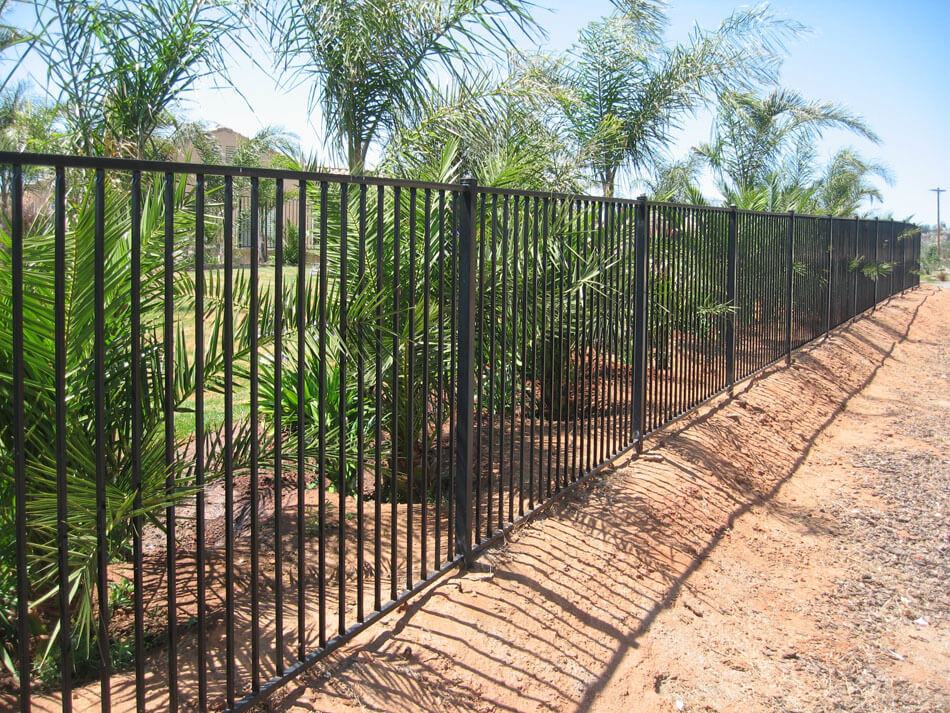
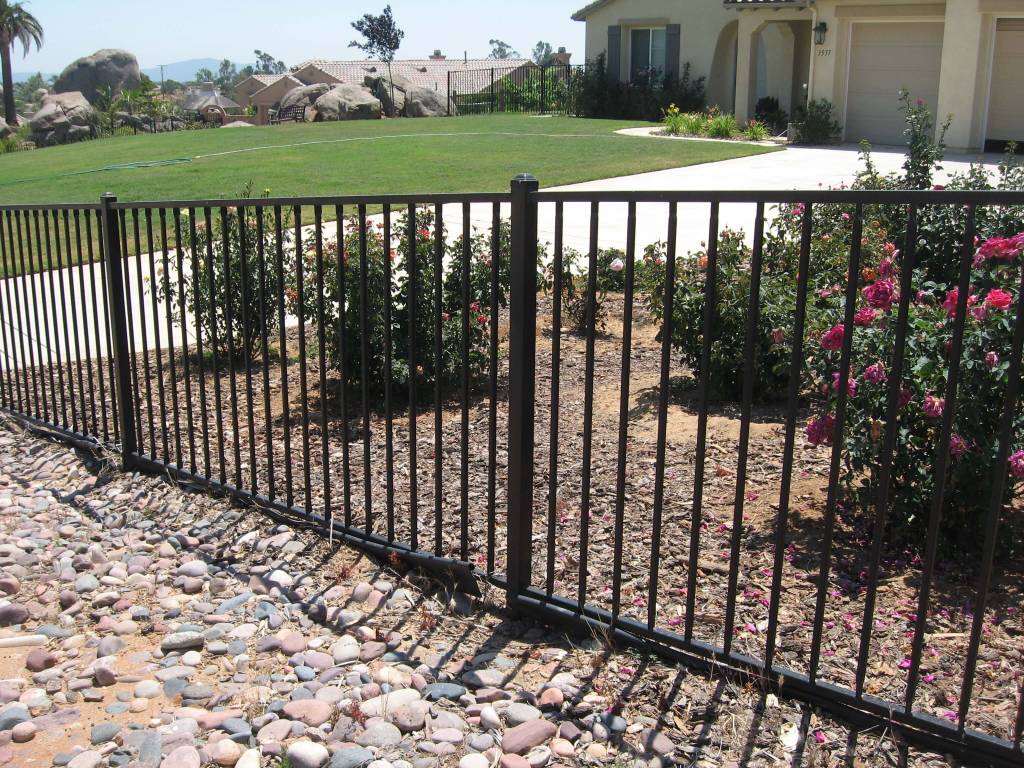
Standard ornamental iron fence by Alpine Fence Company.

California has introduced new wildfire safety standards that directly affect what can be placed within five feet of a home or structure. This area, known as Zone 0 (“Zone Zero”), is designed to reduce the risk of homes igniting from wind-blown embers during a wildfire.

Under these regulations, flammable materials are no longer recommended — and in some areas will not be allowed — within the first five feet of a home, particularly in properties located in fire hazard severity zones identified by CAL FIRE.

While the regulations are still being rolled out and enforced at the local level, homeowners are being encouraged to understand how Zone Zero applies to their property and what changes may be needed. In this article, we’ll explain what Zone Zero is, how it applies to residential properties, and what options homeowners have — including fire-resistant fencing solutions — to stay informed and prepared as these standards take effect.

What is Zone Zero?

Zone Zero refers to the area extending from zero to five feet out from your home, attached structures, and decks — the closest perimeter to your building.

Traditional defensible space plans in California typically include:

  • Zone 0 (0–5 feet) — Ember-resistant zone
  • Zone 1 (5–30 feet) — Lean, clean, green zone
  • Zone 2 (30–100 feet) — Reduced fuel zone

Ultimately, Zone Zero aims to remove or reduce anything that could catch fire next to your home, such as:

  • Wooden and vinyl fences or gates
  • Bark mulch, wood chips, and most artificial turfs
  • Wooden lawn furniture
  • Combustible planters or decor

Why is Zone Zero important?

Research shows that wind-blown embers falling near homes are a primary cause of wildfire spread, and clearing combustible materials within five feet creates a defensible space that significantly increases the chance of a home surviving a wildfire.

Where does Zone Zero Apply?

Zone Zero applies to homes within Local Responsibility Areas (LRA) or Very High Fire Hazard Severity Zones (VHFHSZ), which is about two-thirds of San Diego — this includes areas like Scripps Ranch, Rancho Bernardo, and Carmel Valley, along with parts of more densely populated neighborhoods like Bankers Hill and Hillcrest.
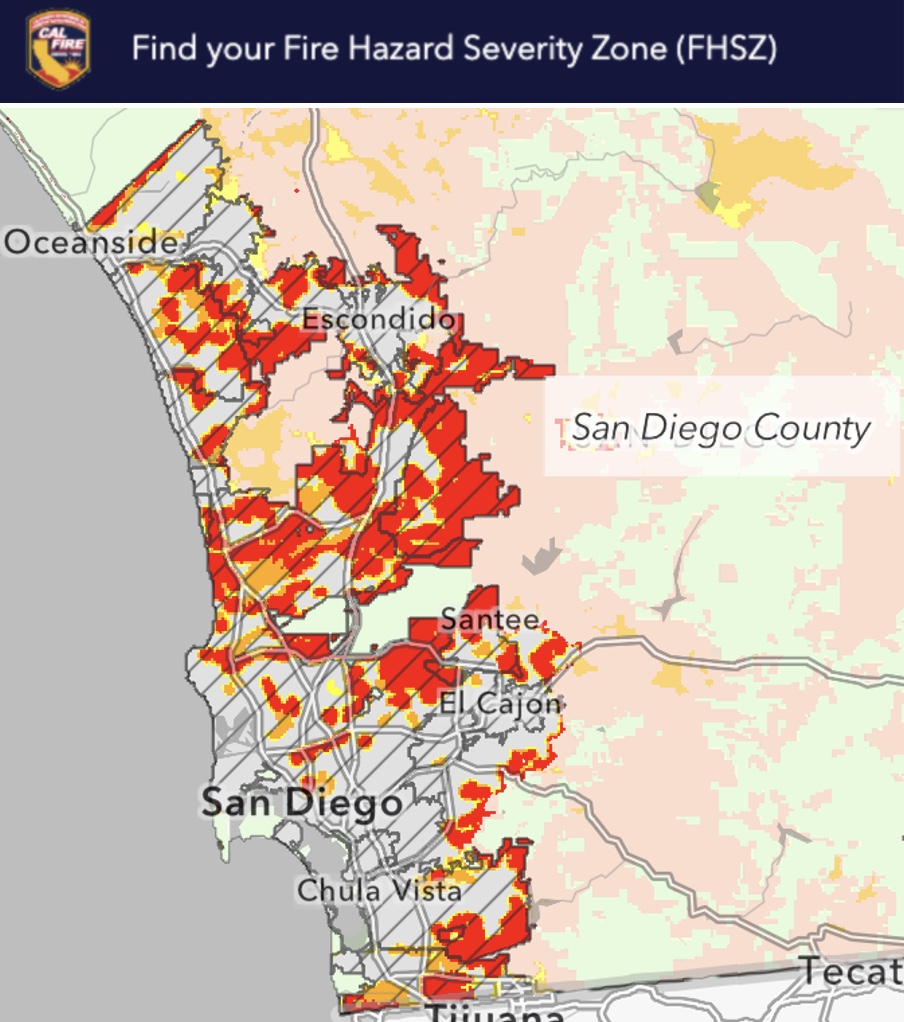
San Diego County Fire Hazard Severity Zones (FHSZ). Source: CAL Fire

When does Zone Zero go into effect?

This law, which was passed in 2020, will be enforced for new construction starting in February 2026 and for existing structures in February 2027. Final regulations are still being made by the California Board of Forestry & Fire Protection.

What Zone Zero Means for Your Property

Under the Zone Zero framework, homeowners may need to adjust the materials and features located right up against the exterior of their homes and structures.

Does my fence need to be removed?

Fences not directly attached to the home structure may still be allowed within five feet if they are built with non-combustible, code-compliant materials. Alpine Fence solutions focus on providing safe, durable options without compromising aesthetics.

Alpine Fence Solutions for Zone Zero

As the state expands its fire safety regulations, Alpine Fence is ready with proactive solutions that help homeowners meet the new expectations while enhancing their property.
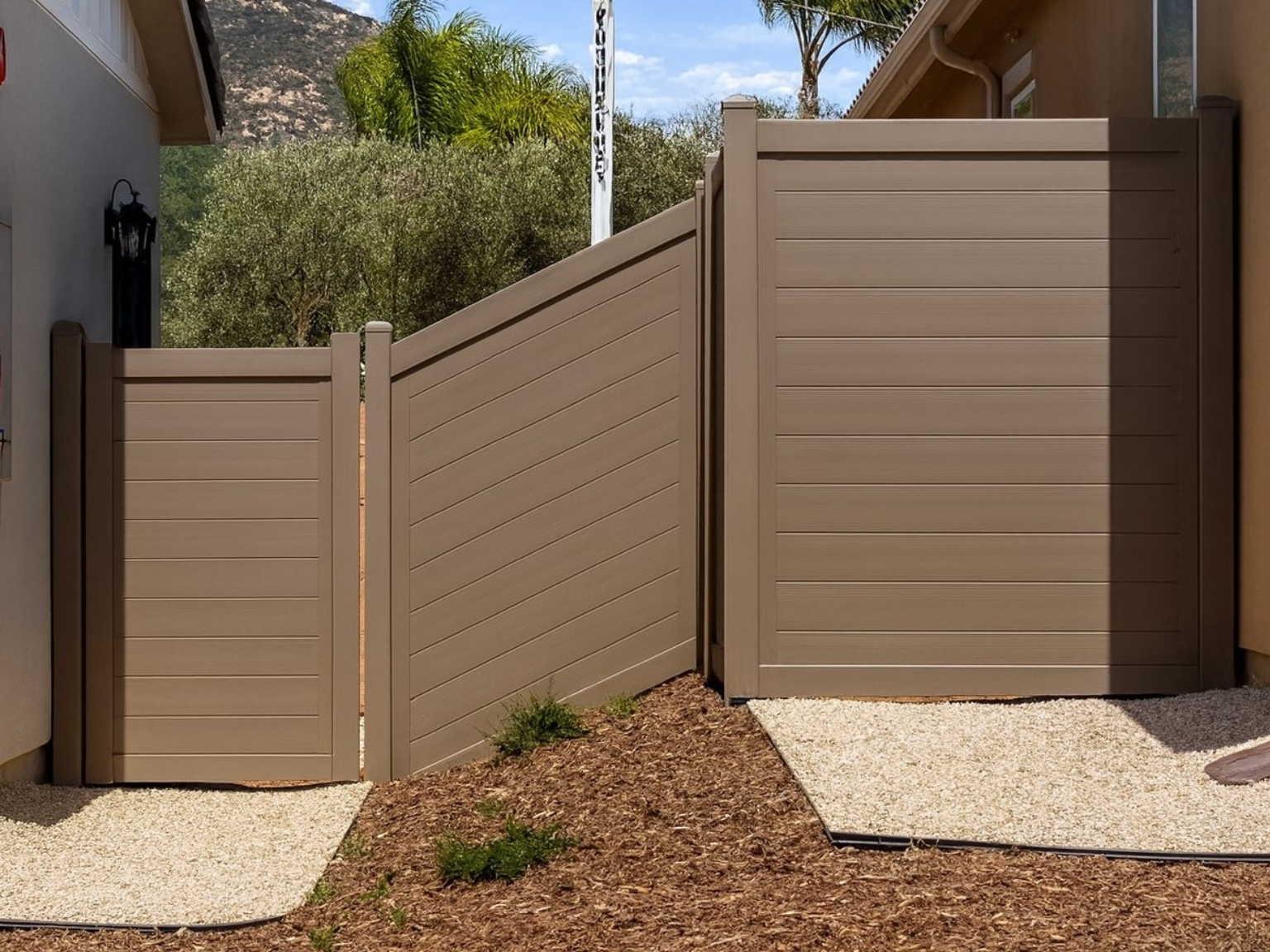
Here are the three examples of fencing options Alpine Fence offers that align with Zone Zero principles:

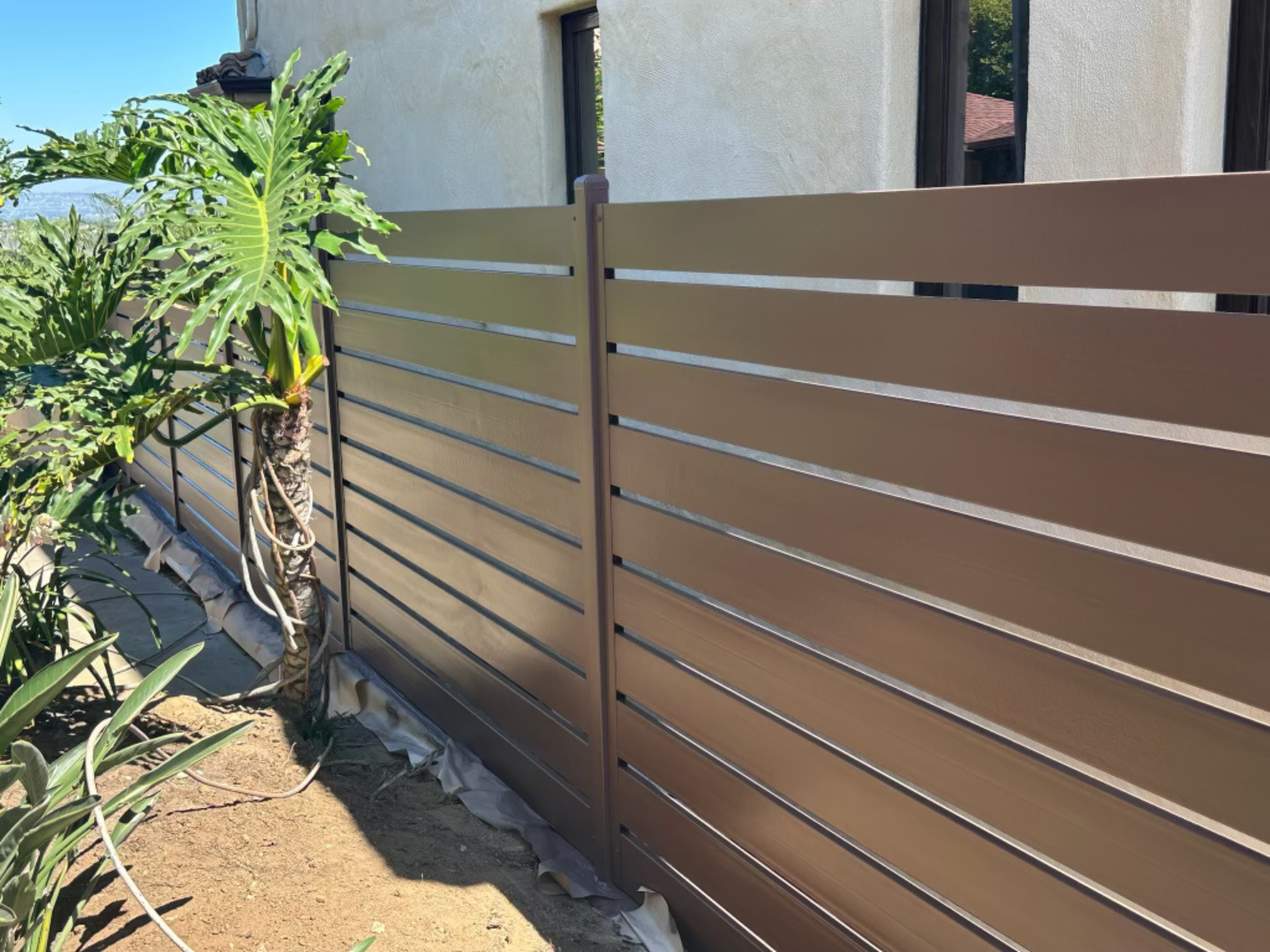
1. Metal Privacy Fences

  • Non-combustible structure: Unlike traditional wood or wood-composite fencing, metal fencing doesn’t burn and minimizes fire risk near your home.
  • Privacy and style: Offers solid privacy like traditional wood but with fire-safe performance. Can be installed in both horizontal or vertical style.
  • Customizable: Can be painted or finished to match your home’s aesthetic.

This solution is especially strong for homeowners who want privacy without increasing fire risk and want a fence they can personalize.

2. Ornamental Iron Fences

  • Classic durability: Ornamental iron or tubular steel fences are inherently fire resistant.
  • Affordable option: Less costly than metal privacy fences.
  • Stylish & strong: These fences offer a timeless look while meeting safety goals.
  • Minimal privacy: Like chain link, they don’t offer full screening but are excellent for boundary definition.

Each of these options is non-combustible, meaning they are better suited to help create a Zone Zero perimeter that reduces fire pathways right next to a home

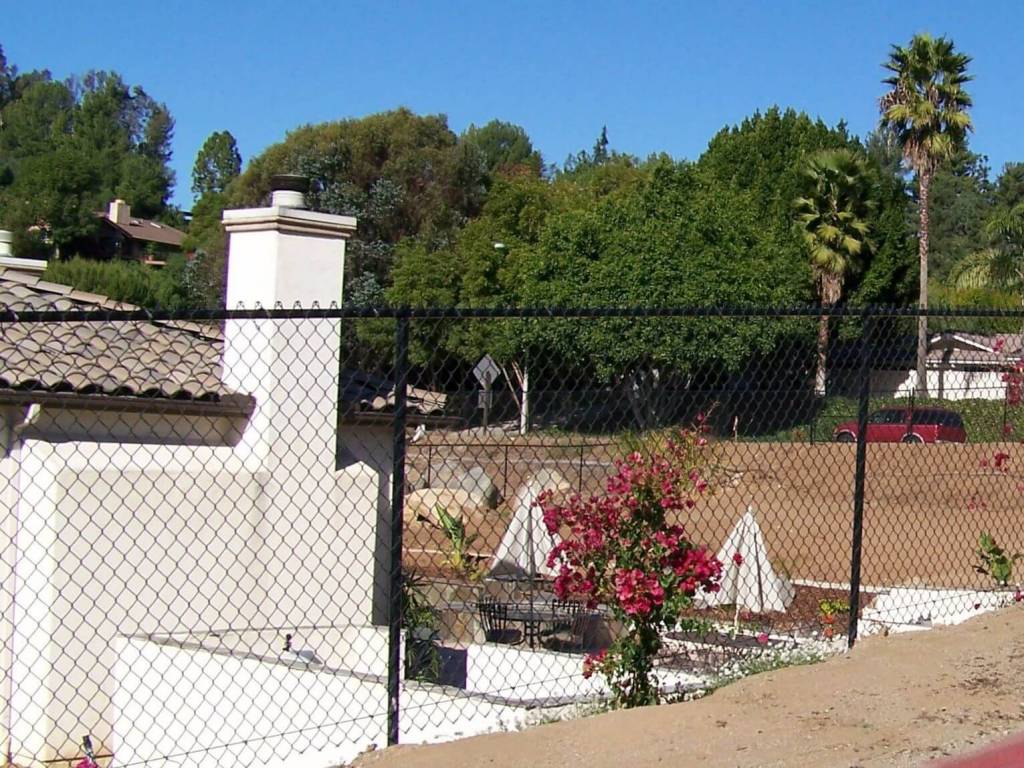
3. Chain Link Fences

  • Fire resistant: Metal construction means no combustible fence material near your structure.
  • Most cost-effective: The most affordable option while remaining compliant.
  • Great for compliance: Especially useful if your priority is safety and regulation adherence.
  • Less privacy: Without panels or inserts, chain link provides visibility rather than screening.

Chain link is a solid choice where fire safety is paramount and privacy is less of a concern.

How to Check Your Zone & What to Do Next

If you’re unsure whether Zone Zero applies to your property in San Diego County, you can start by checking your wildfire risk classification on the CAL FIRE Fire Hazard Severity Zone maps. These maps show areas designated by risk level, which often aligns with the jurisdictions where Zone Zero rules are being implemented.

Steps to get started:

  • Visit the CAL FIRE Fire Hazard Severity Zone map (searchable by address).
  • Determine whether your home sits in a Very High or High Fire Hazard Severity Zone.
  • Measure the 5-foot perimeter around your home’s walls, decks, and attached structures.
  • Inventory combustible materials — including fences — and plan upgrades if needed.

Taking early action not only enhances home safety but also helps with insurance and resale value down the line.

Common Misconceptions About Zone Zero

“Zone Zero only affects rural or canyon homes.”

Zone Zero regulations apply to many urban and suburban neighborhoods, not just rural areas. In San Diego County, homes located in Local Responsibility Areas or Very High Fire Hazard Severity Zones — including more dense communities like North Park or Hillcrest — may be subject to Zone Zero standards.

“Zone Zero is only about landscaping.”

While landscaping is a major component, Zone Zero also applies to structures, attachments, and exterior features such as wood or vinyl fencing, gates, furniture, and decorative elements that sit close to the home.

“I can wait until enforcement starts to make changes.”

While formal enforcement timelines are still being finalized, insurance requirements may drive earlier action. Many insurance providers already evaluate defensible space and ember-resistant conditions during underwriting or renewal. Addressing Zone Zero conditions proactively can help homeowners avoid coverage complications later.

“Zone Zero means removing everything around my home.”

Zone Zero does not require removing all exterior features. The focus is on combustible materials within five feet of the structure. Non-combustible alternatives — such as metal privacy fencing, gravel, stone, or hardscape materials — are often acceptable and encouraged.

“All fences near the house have to be removed.”

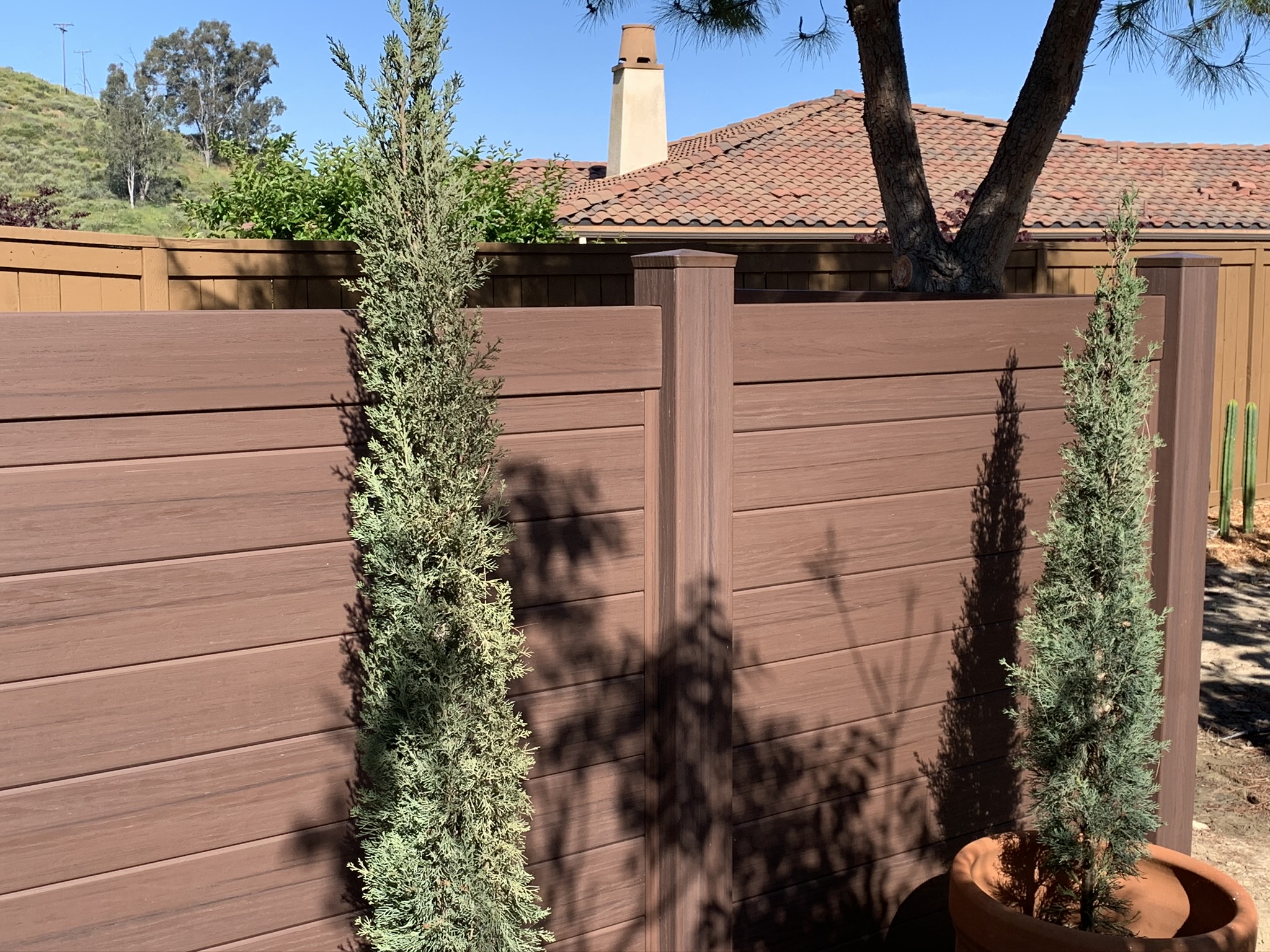
Fences do not automatically need to be removed if they are non-combustible and code-compliant. Materials like iron, chain link, and steel-reinforced vinyl can provide boundary definition and curb appeal while still aligning with Zone Zero fire safety principles.

Partner with Alpine Fence for Zone Zero expertise

California’s emerging Zone Zero regulations represent a significant shift in how homeowners protect their homes against wildfire risk. By focusing on what’s closest to your home — the first five feet — San Diego residents can create an ember-resistant perimeter that improves safety, supports defensible space goals, and may reduce long-term fire exposure.

If you’re considering a fence upgrade or replacement, Alpine Fence offers a range of fire-safe, non-combustible solutions that help you stay ahead of regulations while enhancing your property’s look and function. From steel-reinforced vinyl for privacy to durable iron and compliant chain link options, Alpine has the expertise to help you navigate this transition with confidence.

Ready to explore Zone Zero-ready fencing options? Learn more about how Alpine Fence can help you protect your home and stay compliant in today’s evolving fire safety landscape.