
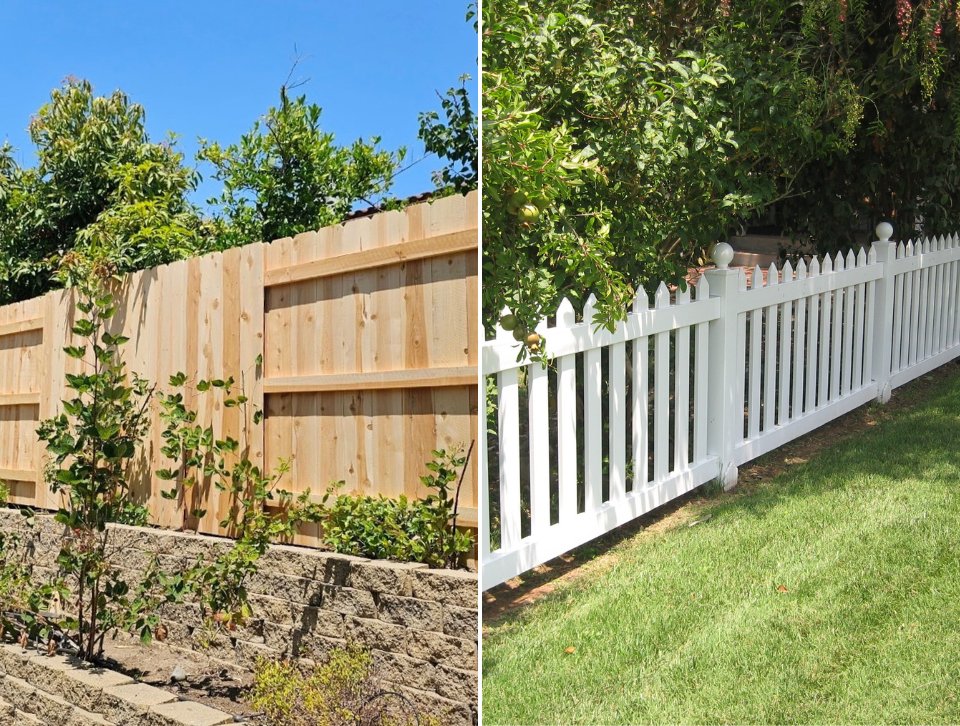
Vinyl and wood are common fencing materials used in San Diego, but they perform very differently over time. While appearance is often the first consideration, factors like climate, maintenance, durability, and newer fire safety standards — including Zone Zero — can significantly affect which option makes more sense for a specific property long-term.
This article compares vinyl vs. wood fencing from a practical standpoint. We’ll look at how each material behaves, what homeowners should expect over time, and how safety considerations factor into the decision, so homeowners can make informed choices based on their property and priorities.
Wood Fencing: Benefits and Tradeoffs
Wood fencing has long been a popular choice for San Diego homeowners because of its natural look and design flexibility. It can complement a wide range of home styles and is often selected for its traditional appearance.
Benefits of Wood Fencing
- Natural appearance: Wood provides a warm, classic look that blends well with many landscapes and architectural styles.
- Design flexibility: It can be customized with different heights, styles, and finishes.
- Privacy options: Solid wood panels are commonly used for full privacy fencing.
Tradeoffs to Consider
- Ongoing maintenance: Wood typically requires regular staining, sealing, or painting to protect it from sun and moisture.
- Pest vulnerability: Wood is susceptible to insect damage if not properly treated.
- Longevity variability: The lifespan of a wood fence can vary significantly depending on maintenance and placement.
With proper upkeep, wood fencing can last for years, but durability is closely tied to how well it is maintained.
Because wood is a combustible material, it may require additional planning when installed around a San Diego property. New safety guidelines require the removal of any combustible materials from the first five feet of space from a property. This has prompted homeowners to think more carefully about where fencing is placed and its proximity to the structure of the home.
Vinyl Fencing: Benefits and Tradeoffs
Unlike natural materials, vinyl fencing is manufactured to maintain its appearance, durability, and structure with minimal upkeep, making it an appealing option for San Diego homeowners looking for long-term performance.
Benefits of Vinyl Fencing
- Low maintenance: Vinyl does not require painting, staining, or sealing. Routine cleaning is typically sufficient to maintain its appearance.
- Resistance to sun and moisture: Vinyl does not absorb water, which helps prevent warping, rotting, or swelling over time. It’s also formulated to be UV resistant.
- Consistent appearance: Color and finish remain relatively stable.
- Insect resistance: Vinyl is not affected by termites or other pests.
Tradeoffs to Consider
- Upfront cost: Vinyl fencing may have a slightly higher initial cost compared to some wood options.
- Design limitations: Although available in a variety of styles, vinyl may not replicate the exact texture or character of natural wood.
- Repairs: While damage is less common, repairs may involve replacing sections rather than simple patching.
Vinyl fencing is generally more consistent in San Diego’s climate because it is designed to withstand environmental exposure.
While often viewed as a lower-maintenance alternative to wood, its suitability near a home depends on how and where it is installed. Like wood, vinyl fencing is also a combustible material, and its placement should be considered carefully to adhere to Zone Zero requirements.
Maintenance & Long-Term Upkeep
Maintenance is one of the biggest factors that separates vinyl vs. wood fencing over the life of the fence. While both materials can serve their purpose, the amount of ongoing care required differs significantly.
Maintaining a Wood Fence
Wood fencing requires regular upkeep to maintain appearance and structural integrity. The level of consistent maintenance often increases in areas with higher sun exposure or coastal moisture.
Typical wood fence maintenance includes:
- Staining or sealing every few years to protect against moisture and sun exposure
- Painting or refinishing to maintain color and prevent surface damage
- Inspecting for rot or insect damage, especially near the ground
- Replacing boards or sections as they warp, crack, or deteriorate
Maintaining a Vinyl Fence
Vinyl fencing is designed to be low maintenance. It does not require painting, staining, or sealing, and it is not affected by insects or rot. It often appeals to homeowners who want to minimize upkeep responsibilities.
Typical vinyl fence upkeep includes:
- Occasional cleaning with water or mild soap to remove dirt or debris
- Periodic inspections to check for impact damage or loose components
Understanding how much time and effort you’re willing to invest in maintenance can help determine which fencing option makes more sense for your property.
Appearance, Design & Privacy Flexibility
Beyond durability and maintenance, many homeowners choose fencing based on how it looks and how much privacy it provides. Vinyl and wood fencing offer different strengths when it comes to style and customization.
Appearance Differences
Wood fencing is often chosen for its natural texture and variation. Each board has its own grain and character, which offers an organic, traditional look. It may also be easier to customize on-site.
Vinyl fencing, by contrast, offers a more uniform appearance. Panels are manufactured for consistency, which can create a clean, polished look that stays the same over time.
Design flexibility may also be influenced by neighborhood guidelines or HOA requirements.
Privacy Options
Both materials can be used for privacy fencing, but they approach it differently:
Wood fencing
- Commonly used for full privacy panels
- Can be built at varying heights
- Gaps and spacing can be customized
Vinyl fencing
- Often available in solid privacy styles
- Maintains consistent spacing and alignment
- Does not warp or create gaps over time
Zone Zero & Fire Safety Considerations
Fire safety has become an increasingly important factor when choosing fencing materials in San Diego. New wildfire safety guidelines, including Zone Zero considerations, have prompted homeowners to take a closer look at what materials are placed closest to the home.
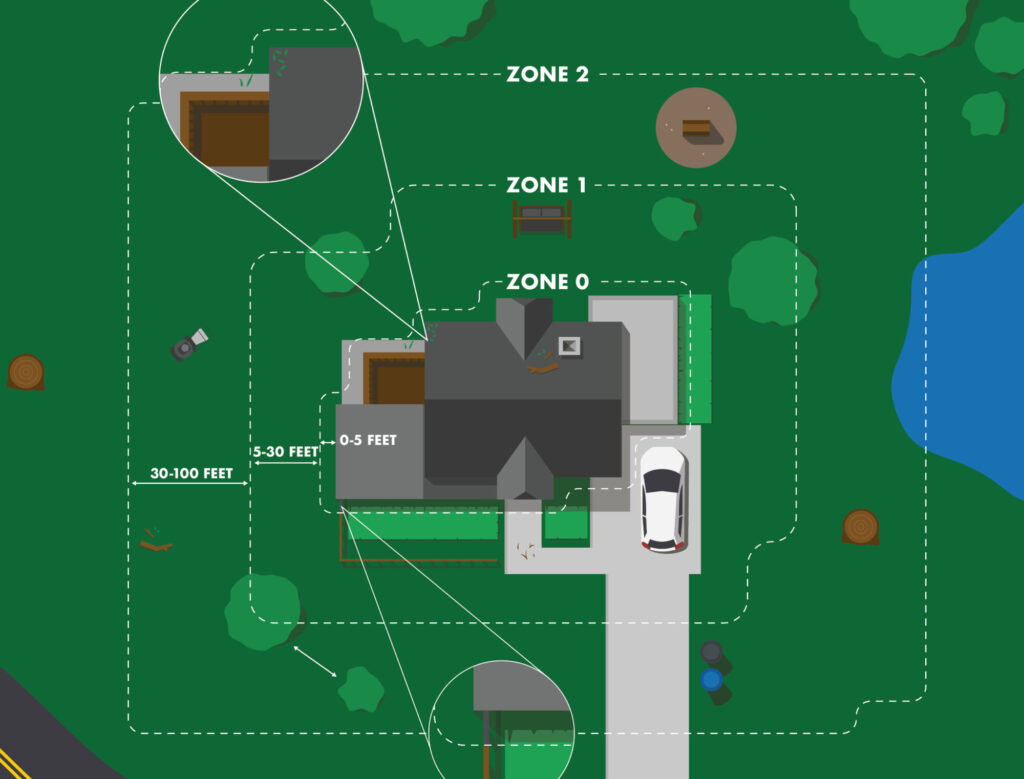
What Zone Zero Means for Fencing
Zone Zero refers to the first five feet surrounding a home or structure, where reducing combustible materials is a priority. The goal is to limit the chance that wind-blown embers can ignite materials near the structure during a wildfire.
While regulations continue to be implemented at the local level, Zone Zero has already influenced how homeowners think about fencing — particularly fences that are attached to or located close to the house.
Wood and vinyl fencing are combustible materials, but that doesn’t mean they can’t be used at all; however, as Zone Zero standards evolve, homeowners are increasingly factoring material choice and fence placement into their overall planning.
Cost Considerations
Cost is often part of the decision when comparing vinyl vs. wood fencing, but it’s important to look beyond the initial price tag. The total cost of a fence is influenced by both upfront investment and long-term expenses over time.
Initial Cost Differences
Wood fencing typically has a lower upfront cost compared to vinyl. This can make it appealing for homeowners working within a tighter initial budget or for projects where short-term use is expected.
Vinyl fencing often comes with a slightly higher initial cost, reflecting the material’s durability, manufacturing process, and long-term performance characteristics.
Long-Term Cost Considerations
Over time, maintenance plays a significant role in overall cost:
- Wood fencing may require ongoing expenses for staining, sealing, painting, or board replacement.
- Vinyl fencing generally has fewer ongoing costs, as it does not require regular treatments to maintain its appearance.
When viewed over the life of the fence, the total cost difference between vinyl vs. wood may narrow or even become less, depending on maintenance frequency and environmental exposure.
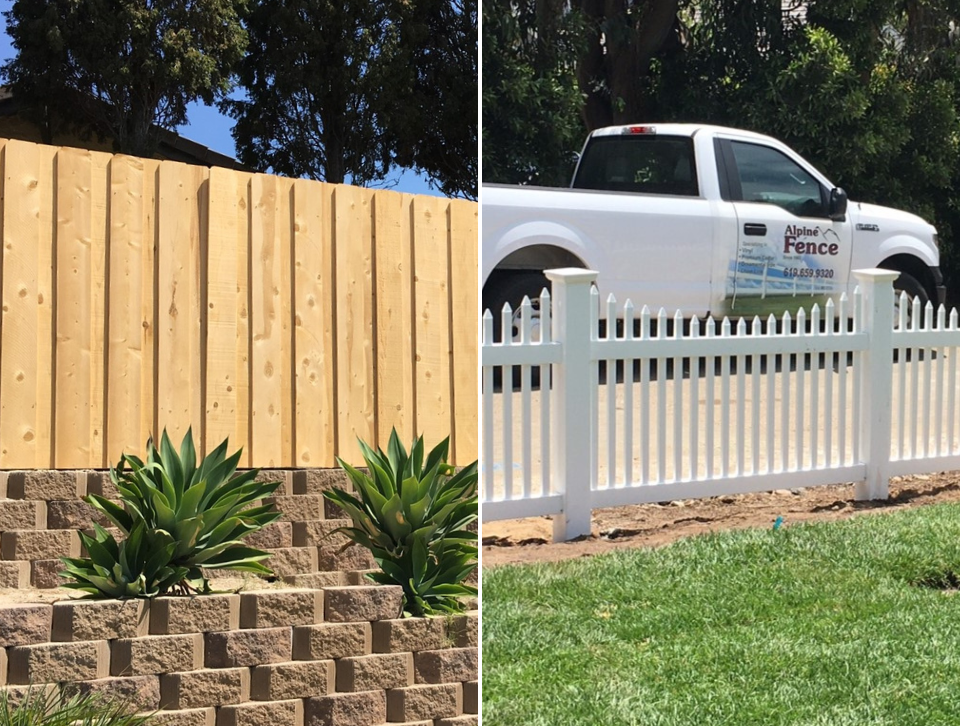
How to Choose Between Vinyl vs. Wood Fencing
There isn’t a one-size-fits-all answer when comparing vinyl vs. wood fencing. The better choice depends on how the fence will be used and where it will be placed. When deciding between vinyl and wood, consider the following factors:
Location of the Fence
- Close to the home: Material choice becomes more important, especially with Zone Zero considerations in mind.
- Farther from structures: Homeowners may have more flexibility in material selection depending on layout and use.
Desired Level of Maintenance
- If you’re comfortable with regular upkeep, refinishing, or repairs, wood may align with your expectations.
- If you prefer a fence that maintains its appearance with minimal effort, vinyl may be a better fit.
Longevity Goals
- Wood fencing lifespan can vary based on maintenance and exposure.
- Vinyl fencing is often chosen for its consistent performance over longer periods of time.
Aesthetic Preferences
- Wood offers a natural look with visible texture and variation.
- Vinyl provides a uniform, clean appearance that remains consistent over time.
By weighing these considerations together, homeowners can make more informed fencing decisions that align with their property needs, lifestyle, and long-term goals.
Common Questions About Vinyl vs. Wood Fencing
Which fence lasts longer: vinyl or wood?
Vinyl fencing generally lasts longer than wood because it is not affected by rot, insects, or moisture in the same way. Wood fencing lifespan can vary widely depending on maintenance and exposure to sun and moisture.
Is vinyl fencing better than wood for San Diego homes?
Neither option is universally better, but vinyl fencing is often chosen in San Diego for its low maintenance and resistance to UV and moisture. Wood fencing may still appeal to homeowners who prioritize a natural look and are comfortable with ongoing upkeep.
Does wood fencing require more maintenance than vinyl?
Yes. Wood fencing typically requires regular staining, sealing, or painting to maintain its appearance and protect it from environmental exposure. Vinyl fencing generally requires only occasional cleaning.
Is vinyl fencing safer than wood near the house?
Yes, vinyl’s fire spread rate is far lower and is overall a much safer option. That being said, both wood and vinyl are combustible materials, which means placement and proximity to structures may require more planning under modern fire safety guidelines.
Can wood fencing still be used with Zone Zero considerations?
Wood fencing can still be used, but placement matters. In areas where Zone Zero guidelines apply, homeowners will need to be more mindful of how close wood fencing is installed to the structure and whether alternative materials, like iron, are more appropriate near the home.
Does vinyl fencing look less natural than wood?
Vinyl fencing has a more uniform appearance compared to wood’s natural grain and variation. Some homeowners prefer wood’s organic look, while others prefer vinyl’s consistent appearance and long-term stability.
Which fence provides better privacy?
Both vinyl and wood fencing can be used for privacy. Wood fencing can be customized for height and spacing, while vinyl privacy fencing typically maintains consistent panels without gaps forming over time.
Is vinyl fencing more expensive than wood?
Vinyl fencing often has a higher initial cost, while wood fencing may cost less upfront. Over time, maintenance and repair costs can influence the total cost of ownership for each option.
How do I decide which fence is right for my property?
The best choice depends on location, maintenance preferences, desired lifespan, appearance goals, and how close the fence will be to the home. Considering these factors together helps homeowners choose a fencing option that fits their property and long-term needs.
Choosing the Right Fence Comes Down to Priorities
When comparing vinyl vs. wood fencing, there’s no single option that works best for every home. For San Diego homeowners, climate conditions and newer fire safety considerations — including Zone Zero guidelines — have added important context to the decision.
For those looking to better understand which fencing option makes sense for their home, Alpine Fence serves as a knowledgeable local resource. With experience working across a wide range of properties and fencing materials, Alpine Fence can help homeowners think through placement, material choice, and long-term considerations so they can make informed decisions with confidence.
If you’re exploring fencing options or have questions about how different materials may perform on your property, you can learn more by connecting with Alpine Fence to better understand what’s right for your home and location.