Fence maintenance isn’t one-size-fits-all. In San Diego, fences are exposed to strong sunlight, occasional moisture, and in some areas, salt air from the coast. These factors affect how different materials age and what type of maintenance homeowners should expect over time.
Understanding how fence maintenance varies by material can help homeowners plan for long-term upkeep and avoid preventable damage. This guide explains what to expect when maintaining common fencing materials used in San Diego homes, including vinyl, wood, ornamental iron, and chain link.
Why Fence Maintenance Varies by Material
Different fencing materials respond to environmental conditions in different ways. For example, natural materials such as wood are more susceptible to environmental wear because they can absorb moisture and expand or contract with temperature changes. Manufactured materials like vinyl are designed to resist many of these effects, which generally results in lower routine maintenance.
Metal fencing materials introduce a different set of considerations. While metals such as steel and iron are strong and durable, they can be susceptible to corrosion if protective coatings become damaged.
Because each material behaves differently, maintenance expectations should be considered when choosing a fence. Homeowners often evaluate fencing materials not only based on appearance or privacy, but also on how much upkeep will be required over time.
Vinyl Fence Maintenance: What to Expect
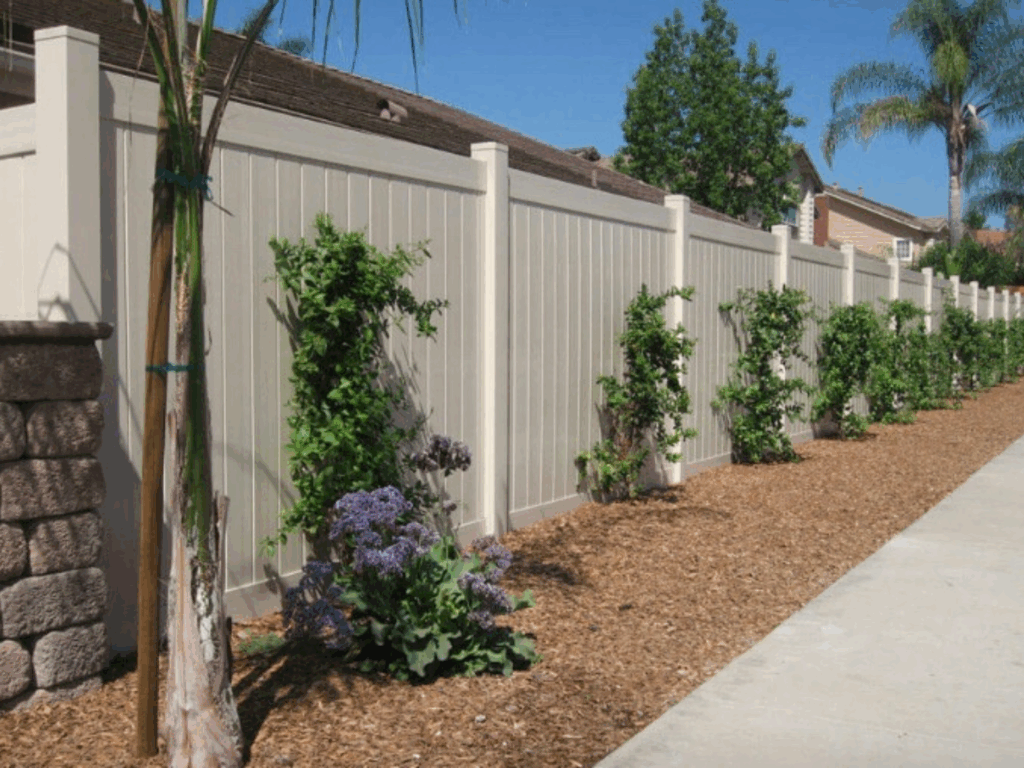
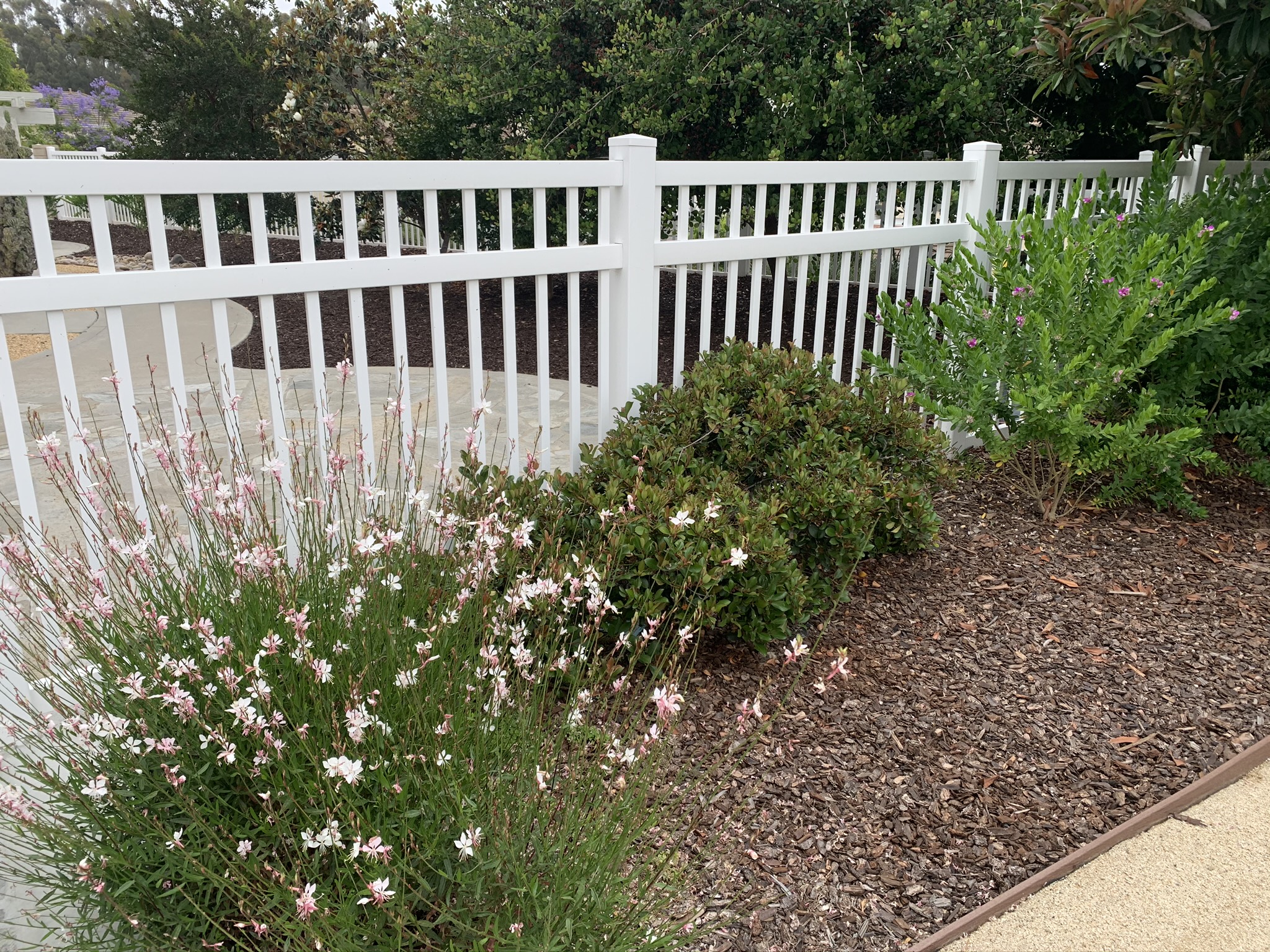
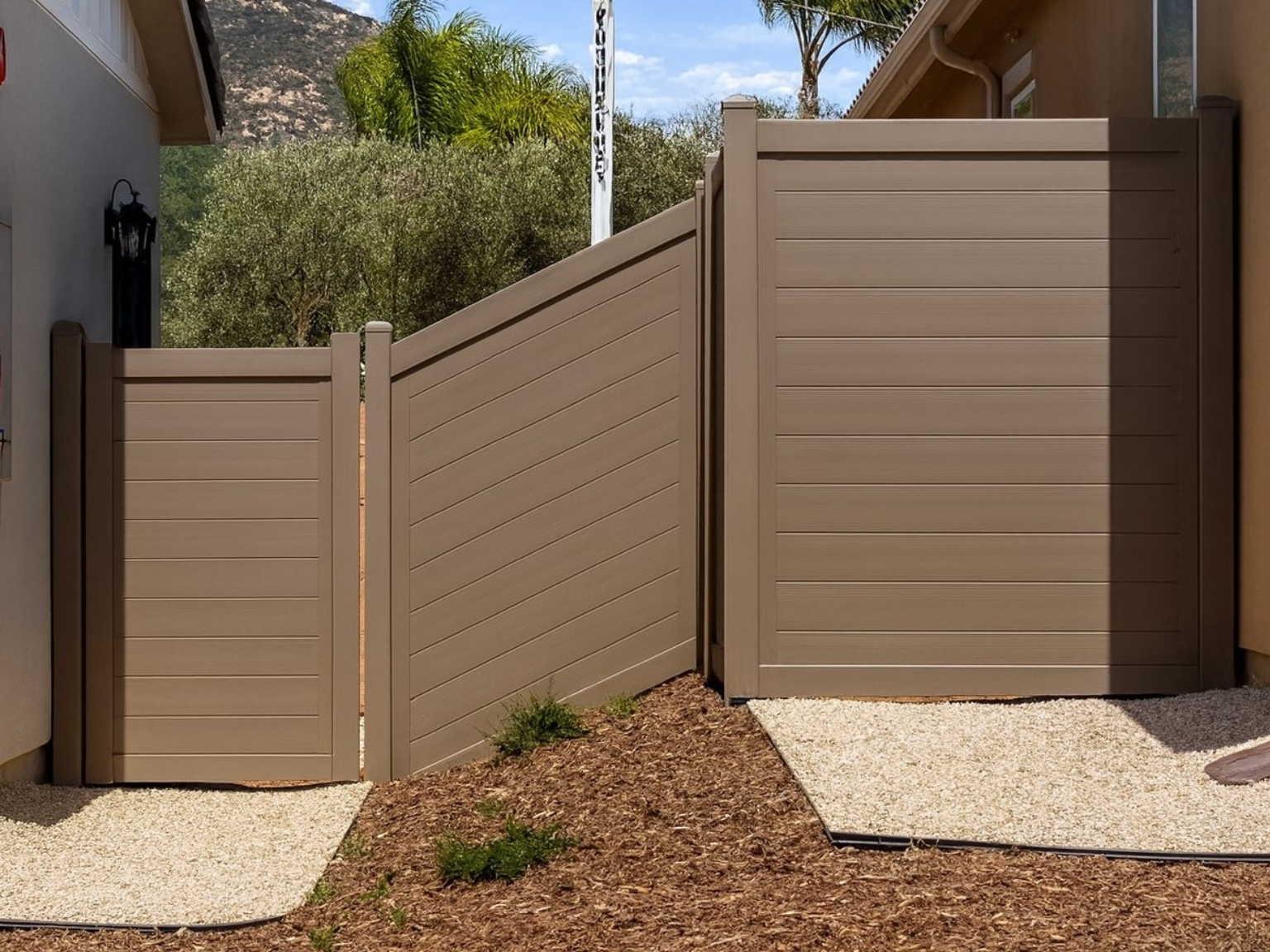
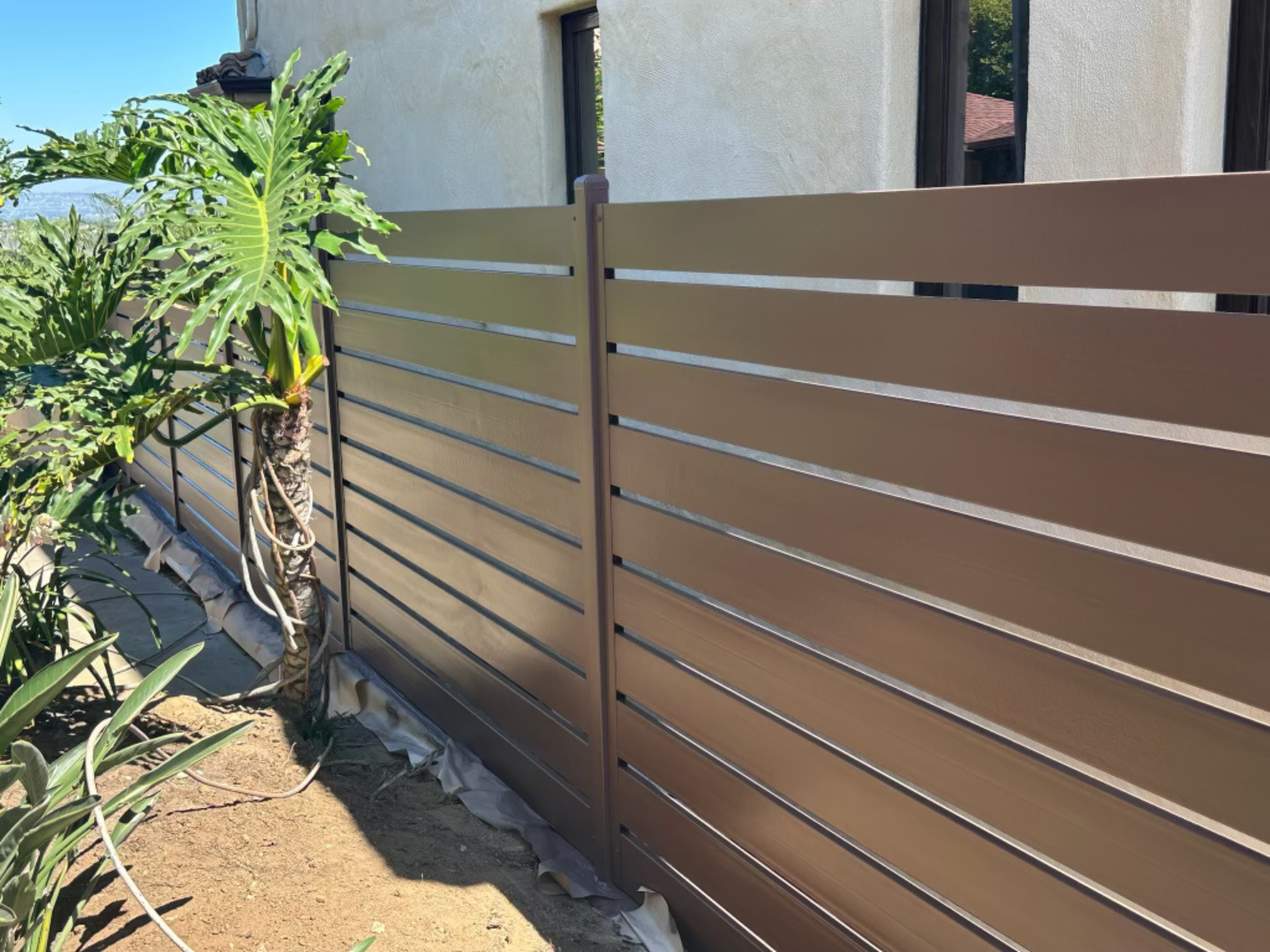
Vinyl fencing is often chosen for its durability and relatively low maintenance requirements. Unlike natural materials such as wood, vinyl does not absorb moisture, is not susceptible to insect damage, and generally maintains its structure over time with minimal upkeep.
Routine Maintenance for Vinyl Fences
Vinyl fences typically require only basic cleaning and occasional inspections to keep them looking and functioning properly.
Common maintenance tasks include:
- Washing the fence periodically with water to remove dust, pollen, or dirt
- Using mild soap for tougher stains caused by mud, debris, and oxidation
- Checking posts and rails to ensure they remain securely attached
- Inspecting for impact damage from lawn equipment or outdoor activity
Because vinyl fencing does not require staining, sealing, or painting, most maintenance is limited to keeping the surface clean.
How San Diego’s Climate Affects Vinyl Fences
San Diego’s climate is generally favorable for vinyl fencing, which is designed to withstand strong sunlight and resist moisture exposure. Some fading and oxidation is normal, but it won’t affect vinyl’s strength and longevity.
Over time, fences may accumulate dirt from wind, landscaping, or coastal air, but these conditions typically affect appearance more than structural integrity. Occasional cleaning helps maintain the fence’s appearance and prevents buildup.
Lifespan Expectations
Vinyl fencing is designed to remain structurally stable for 20-30 years with minimal maintenance. Because it does not rot, rust, or attract insects, its lifespan is often influenced more by installation quality and accidental damage than environmental deterioration.
For homeowners looking to minimize long-term upkeep, vinyl fencing is commonly considered one of the lowest-maintenance fencing materials available.
Wood Fence Maintenance: What to Expect
Wood fencing remains one of the most common residential fence materials, but it also requires the most ongoing maintenance.
Routine Maintenance for Wood Fences
Wood fences require periodic care to maintain both their appearance and structural integrity. Without routine maintenance, wood can fade, crack, warp, or deteriorate over time.
Typical maintenance tasks include:
- Staining or sealing to protect the wood from moisture and sun exposure will prolong its life and beauty
- Inspecting for rot or insect damage, particularly near the base of posts
- Replacing damaged boards that may warp, split, or loosen
- Checking fasteners and hardware to ensure sections remain secure
Many homeowners plan to stain or seal a wood fence every 2-3 years depending on sun exposure and overall wear.
How San Diego’s Climate Affects Wood Fences
In San Diego, wood fencing is exposed to year-round sun, which can gradually dry out the material and cause fading or cracking if it is not properly sealed.
Homes closer to the coast may also experience salt air and higher humidity, which can contribute to long-term moisture exposure. While these conditions are generally milder than in many climates, they can still affect wood fencing over time.
Lifespan Expectations
The lifespan of a wood fence varies depending on:
- Wood type
- Installation quality
- Exposure to environmental conditions
- Consistency of maintenance
With regular upkeep, wood fencing can last 15-20 years, but it typically requires more active maintenance than other fencing materials.
Chain Link Fence Maintenance: What to Expect
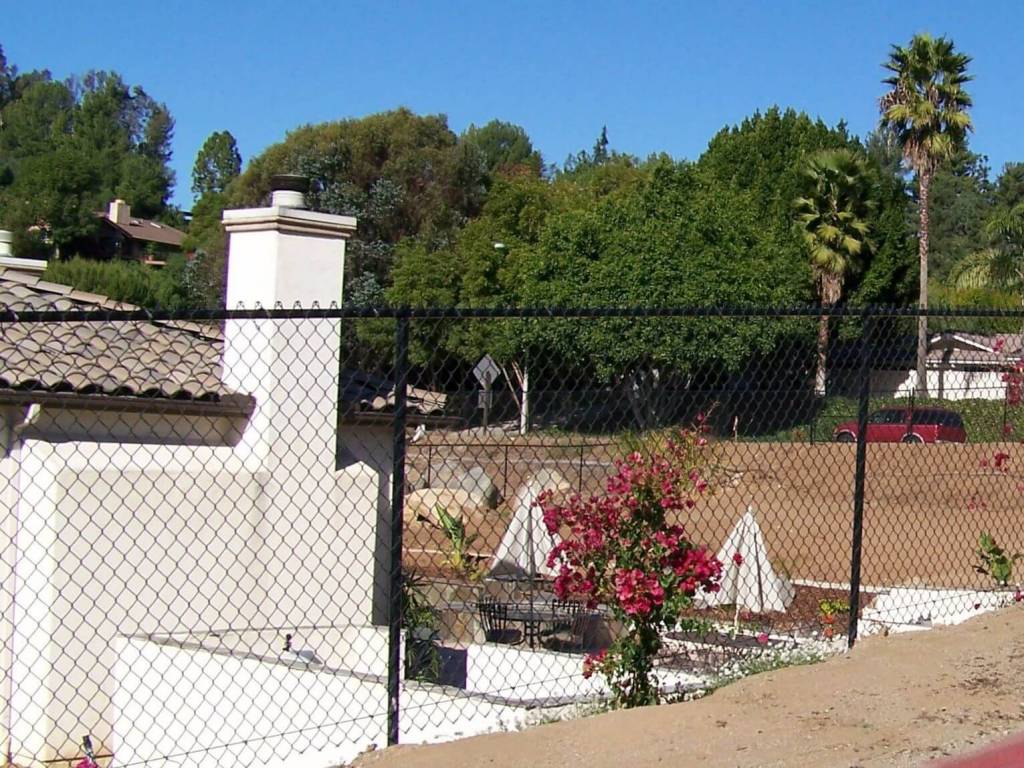
Chain link fencing is widely used for residential and utility applications because of its durability and relatively simple maintenance needs.
Routine Maintenance for Chain Link Fences
Most chain link fence maintenance involves periodic inspections and small adjustments to keep the structure secure.
Typical maintenance tasks include:
- Inspecting posts and tension wires to ensure the fence remains properly supported
- Checking for loose fittings or hardware that may need tightening
- Removing vegetation that grows through or around the fence
- Cleaning debris buildup along the fence line
Keeping plants and vines from growing into the fence can help prevent unnecessary stress on the wire mesh and posts.
Preventing Rust and Corrosion
Many chain link fences are manufactured with galvanized steel, which helps protect the metal from corrosion. However, over time, exposed metal areas can still develop rust if the protective coating becomes damaged.
Homeowners may occasionally inspect the fence for:
- Scratched or worn protective coating
- Small areas of surface rust
- Damage to posts or fittings
Addressing minor rust early can help prevent it from spreading and affecting the fence structure.
Lifespan Expectations
Chain link fencing is known for its longevity when properly installed and maintained. Because the structure is relatively simple and durable, maintenance is typically limited to monitoring for corrosion and ensuring the posts remain stable.
This makes chain link fencing a practical option for homeowners who want a fence that provides security and boundary definition without requiring extensive upkeep.
Wrought Iron Fence Maintenance: What to Expect
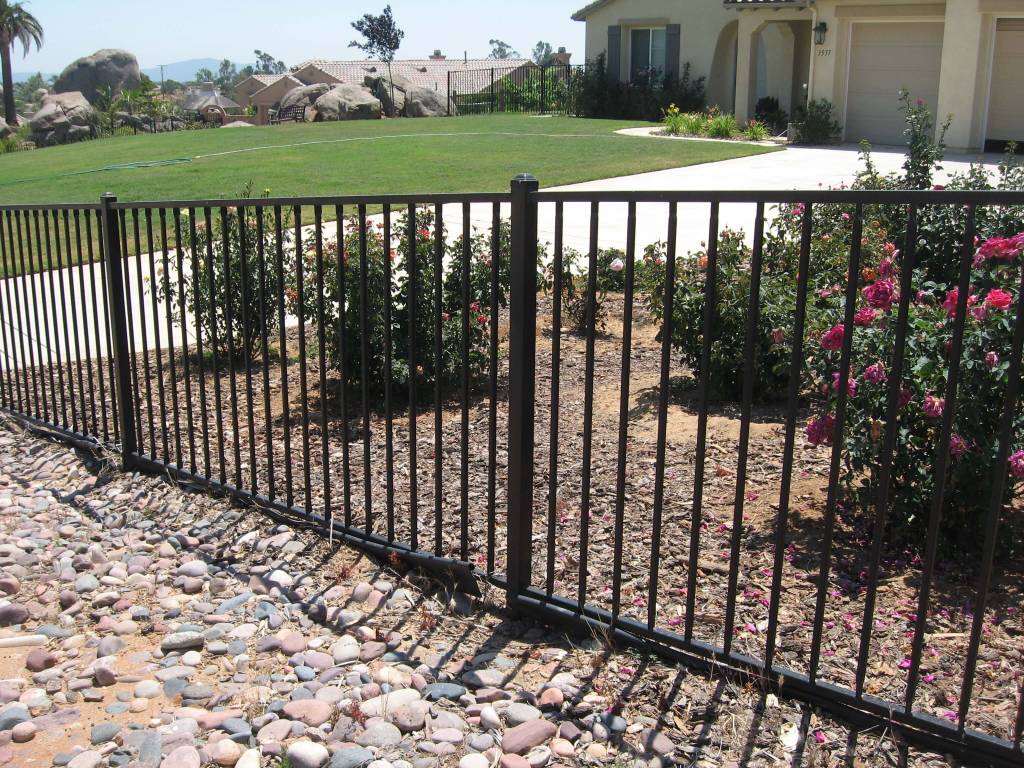
Wrought iron fencing is known for its strength, durability, and decorative appearance. While iron fences are designed to last for many years, they do require periodic maintenance to protect the metal from corrosion and environmental wear.
Routine Maintenance for Wrought Iron Fences
Maintaining a wrought iron fence typically involves routine inspections and occasional surface care to preserve the protective finish.
Common maintenance tasks include:
- Inspecting the fence periodically for rust spots
- Cleaning the surface to remove dirt, debris, or buildup
- Touching up chipped paint or coating to protect exposed metal
- Checking gates, hinges, and hardware to ensure smooth operation
These steps help protect the metal from moisture exposure and prevent small issues from developing into larger structural problems.
Rust Prevention and Surface Protection
The most important maintenance concern for wrought iron fencing is preventing rust. Iron is naturally prone to corrosion when exposed to moisture and oxygen, which is why these fences are typically finished with protective coatings.
If the coating becomes scratched or worn, exposed metal can begin to oxidize. Addressing small rust spots early — often by sanding and repainting the area — helps prevent corrosion from spreading.
Lifespan Expectations
With proper maintenance, wrought iron fencing can last for decades. Because of its strength and structural durability, most upkeep focuses on maintaining the protective surface rather than replacing structural components.
Fence Maintenance in San Diego’s Climate
San Diego’s climate is generally mild, but environmental conditions can still influence how different fence materials age over time. Sun exposure, coastal air, and occasional moisture all play a role in how much maintenance a fence may require.
Sun Exposure and UV Damage
San Diego receives strong sunlight throughout much of the year. Prolonged UV exposure can affect certain materials by causing fading, drying, or surface wear.
For example:
- Wood fencing can dry out over time, which may lead to cracking or discoloration if it is not sealed or stained periodically.
- Vinyl fencing is designed to resist UV damage, though regular cleaning may still be needed to maintain its appearance. Some fading and oxidation is to be expected.
Monitoring fences for early signs of sun-related wear can help homeowners address maintenance needs before more noticeable damage occurs.
Coastal Air and Moisture
Homes located closer to the coast may experience salt air and higher humidity, which can affect some fence materials.
Salt exposure can gradually contribute to corrosion on metal surfaces if protective coatings become damaged. For materials like wrought iron or chain link fencing, periodic inspections help ensure coatings remain intact and rust does not develop.
Vegetation and Landscaping
Fences located near landscaping may also require occasional maintenance related to plant growth.
Homeowners often remove vines, shrubs, or overgrown vegetation that press against fencing materials. Keeping plants trimmed away from the fence can help prevent unnecessary moisture buildup, structural stress, or surface staining.
Why Local Conditions Matter
While many fencing materials are designed to withstand outdoor environments, understanding how local conditions affect them helps homeowners plan maintenance more effectively. In San Diego, consistent sunlight and coastal conditions mean periodic inspection and routine care can help extend the life of most fencing materials.
Common Questions About Fence Maintenance
How often should a fence be maintained?
Most fences benefit from a general inspection once or twice per year. During these inspections, homeowners can check for loose posts, damaged sections, surface wear, or early signs of corrosion. The exact maintenance schedule may vary depending on the fence material and environmental exposure.
What type of fence requires the least maintenance?
Among common fencing materials, vinyl fencing typically requires the least routine maintenance. It does not need staining, sealing, or painting, and it is not susceptible to insect damage or rot. Most upkeep involves occasional cleaning and periodic structural checks.
How long does a residential fence usually last?
Fence lifespan varies depending on the material, installation quality, and environmental conditions. In general:
- Wood fences may require more regular maintenance and component replacement over time
- Vinyl fences are designed to remain structurally stable with minimal upkeep
- Chain link fences are known for durability when protected from corrosion
- Wrought iron fences can last for decades when rust is properly managed
Routine maintenance plays a significant role in extending the lifespan of any fencing material.
Does vinyl fencing require maintenance?
Vinyl fencing requires minimal maintenance compared to most other materials. Homeowners typically clean the fence periodically to remove dirt or debris and inspect posts and rails to ensure the structure remains secure.
Do wood fences need to be sealed or stained?
Wood fences often benefit from periodic sealing or staining to protect the material from moisture and UV exposure. Without this protection, wood may fade, dry out, or develop cracks over time.
How to maintain a wood fence from Alpine Fence Company?
Maintaining a wood fence from Alpine Fence Company is straightforward with the right care routine. Plan to stain or seal your fence every 2-3 years to protect it from San Diego’s sun and coastal weather. Regularly inspect for loose boards, signs of weathering or pest damage and address repairs promptly. Cleaning with water and mild detergent helps remove dirt and debris. Alpine Fence uses premium cedar and redwood, which naturally resist rot and pests and galvanized steel posts for added durability.
How can rust be prevented on metal fences?
Rust prevention usually involves maintaining protective coatings on metal fences. Homeowners may periodically inspect for chipped paint or exposed metal and address small rust spots before they spread.
How do you clean a vinyl fence?
Vinyl fences can usually be cleaned using water and mild soap. A soft brush or cloth can help remove dirt, pollen, or environmental buildup. Regular cleaning helps maintain the appearance of the fence but is generally not required frequently.
What affects fence maintenance the most?
Several factors influence how much maintenance a fence requires, including:
- The fence material
- Sun exposure
- Coastal air or moisture
- Landscaping around the fence
- The quality of installation
Understanding these factors can help homeowners anticipate maintenance needs and plan accordingly.
Understanding Fence Maintenance Helps Homeowners Plan Ahead
Fence maintenance expectations vary depending on the material used, environmental exposure, and how the fence is installed. Some materials require periodic surface treatments or inspections, while others are designed to remain stable with minimal upkeep.
For San Diego homeowners, understanding how different fencing materials respond to local conditions can make it easier to choose an option that aligns with both maintenance preferences and long-term durability.
Alpine Fence Company works with a variety of fencing materials and property types throughout San Diego. Homeowners exploring different fencing options can contact us to learn more about how each material performs and what maintenance may be required over time.