Choosing a fence is not only about picking a material or deciding how much privacy you want. For San Diego homeowners, fence height, style, and placement can all affect how a property looks, functions, and connects to neighboring spaces.
A fence can define a property line, create privacy, improve security, and make outdoor areas more usable. However, the wrong height, style, or placement can lead to issues with neighbors, HOA rules, local requirements, visibility, access, or long-term maintenance.
Before installing or replacing a residential fence, it is important to think through how the fence will work with the property layout, where it will sit, how tall it should be, and what material makes the most sense for the location.
As a local San Diego fence company serving homeowners since 1983, Alpine Fence Company helps property owners think through these decisions before installation so they can build their space with confidence.
Why Fence Planning Matters Before Installation
A fence becomes part of the property’s layout. Once installed, it affects how homeowners use their yard, how neighbors view shared boundaries, and how visible the home is from the street.
Fence height influences privacy, security, and openness. A taller fence may help create a more private backyard, while a shorter or more open fence may be better for a front yard or visible area.
Fence style also matters. A solid metal, vinyl, or wood fence creates more privacy, while chain link and ornamental iron can define a space without fully blocking the view. Some styles are better for curb appeal, some are better for pets or children, and some are better for fire-conscious planning near the home.
Placement is just as important. A fence that is too close to a property line, installed in the wrong location, or placed without considering gates and access points can create avoidable problems.
How Fence Height Impacts Privacy, Visibility, and Property Lines
Fence height is one of the first decisions homeowners usually think about, but it should not be chosen based on privacy alone. The right height depends on the location of the fence, how the space will be used, and what local or HOA rules may apply.
Taller Fences Can Improve Backyard Privacy
Taller fences are often used in backyards, side yards, pool areas, and outdoor living spaces where privacy is a priority. A taller fence can help block views from neighboring homes, streets, or alleys while creating a more comfortable outdoor area.
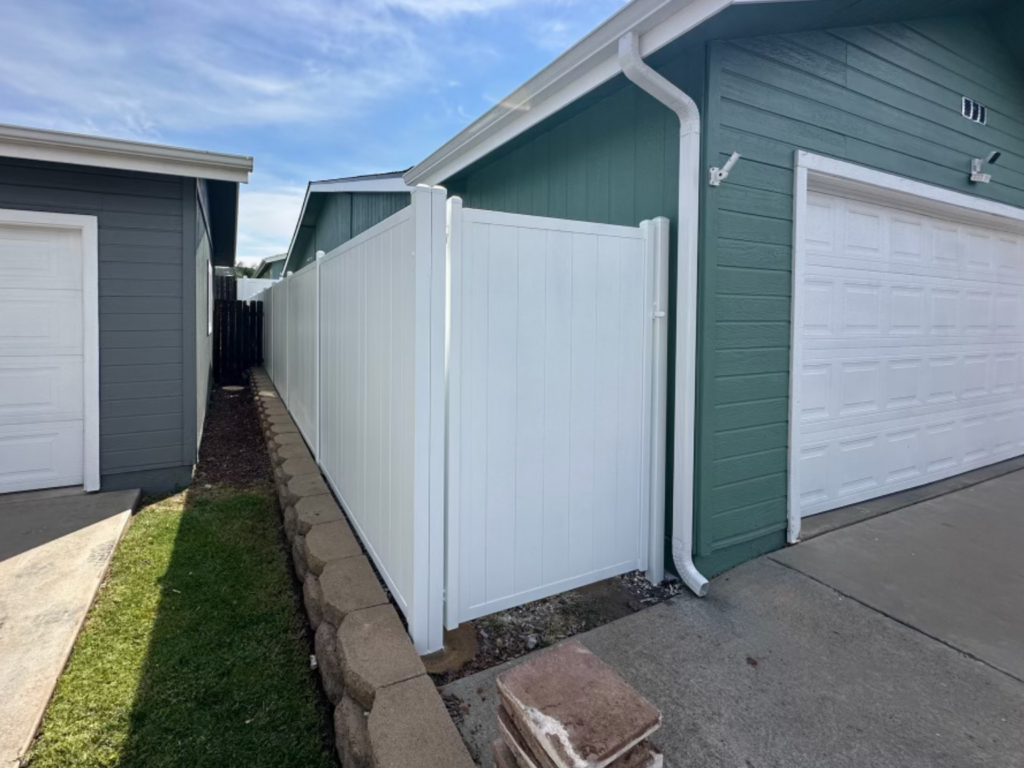
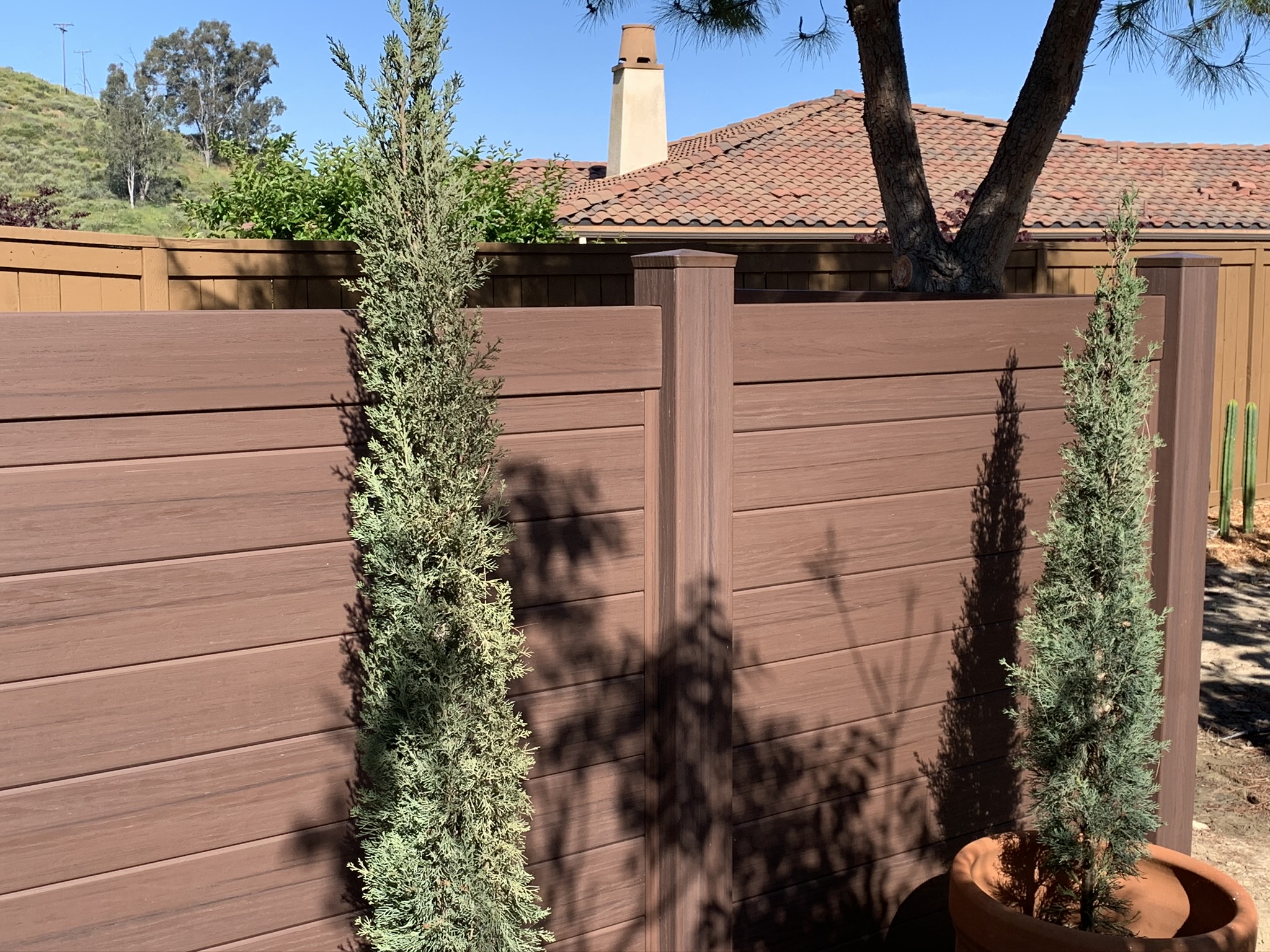
Privacy fences are commonly used when homeowners want to create a defined backyard, protect a patio area, or make the property feel more enclosed. Vinyl and wood are often popular choices for this type of project because they can provide a solid visual barrier.
Shorter or Open Fences Can Help Preserve Curb Appeal
In front yards or highly visible areas, homeowners may prefer a shorter or more open fence. A lower fence can define the property without making the home feel closed off from the street.
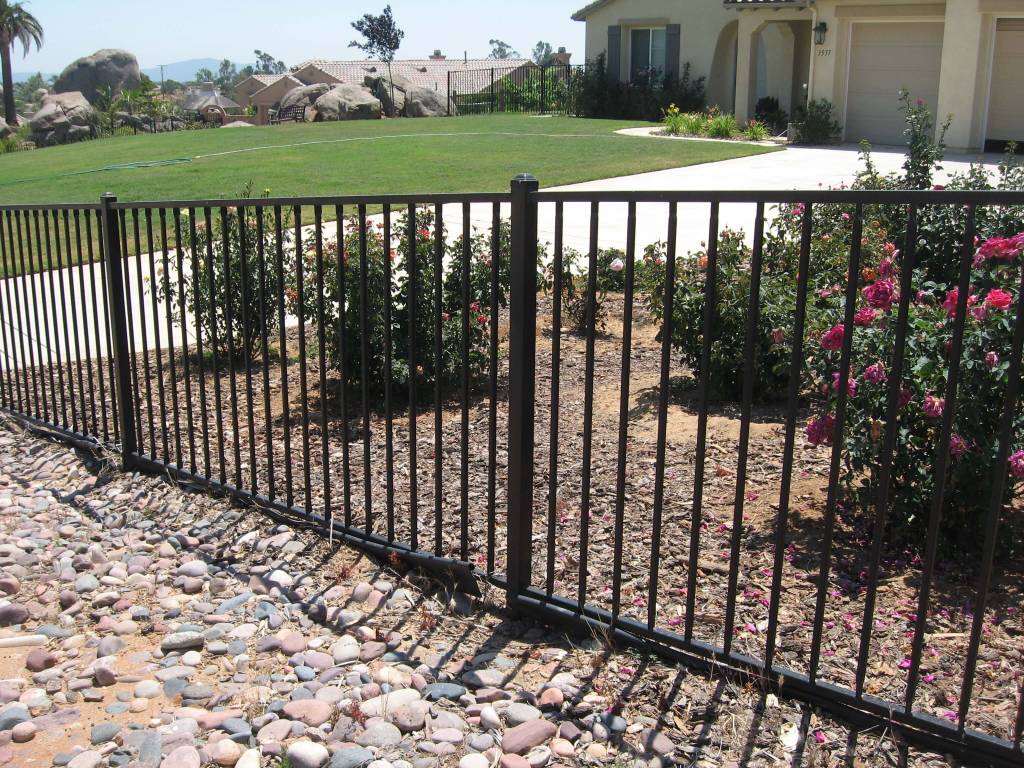
Open-style fences, such as ornamental iron or certain picket-style designs, can provide structure while preserving visibility. These styles may be a good fit when curb appeal, views, or neighborhood appearance are important.
Fence Height May Be Limited by Local or HOA Rules
Fence height rules can vary depending on whether the property is located within the City of San Diego, unincorporated San Diego County, another local city, a coastal area, or an HOA community.
Homeowners should always confirm applicable requirements before choosing a final fence height. In some cases, a fence may require a permit if it exceeds a certain height. HOAs may also have their own rules about maximum height, approved materials, colors, and placement.
How Fence Style Affects Property Line Planning
Fence style affects more than appearance. It can influence privacy, airflow, visibility, maintenance, neighbor-facing views, and fire-conscious planning.
Privacy Fence Styles
Privacy fences are designed to block views and create separation. These are often used in backyards, side yards, and outdoor living areas where homeowners want more seclusion.
Vinyl privacy fencing can provide a clean, low-maintenance look, while wood fencing offers a natural appearance and design flexibility. Both can be strong choices when the fence is intended to create a private space.
Open Fence Styles
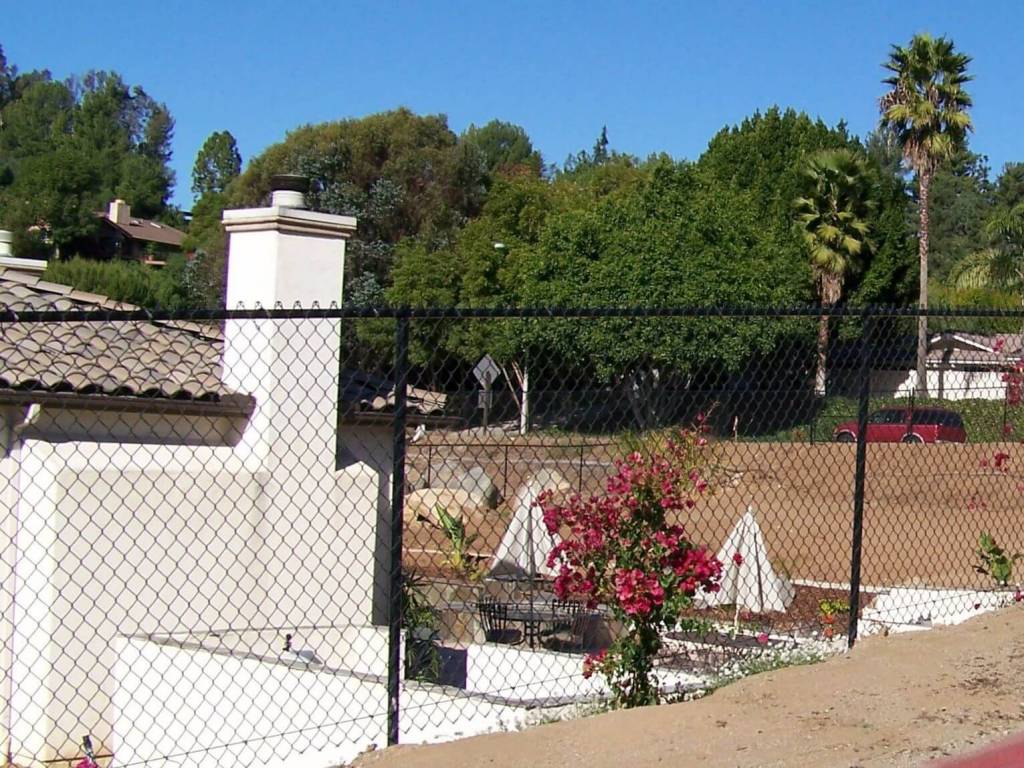
Open-style fences help define a boundary without fully blocking visibility. Chain link and ornamental iron are common examples.
These styles can work well for front yards, pet areas, large properties, gardens, or spaces where homeowners want security and visibility at the same time. They may also be useful when homeowners want airflow, views, or a more open property feel.
Good Neighbor Fence Styles
When a fence sits along a shared property line, appearance on both sides can matter. A “good neighbor” fence is designed to look finished from both sides, making it a practical option for shared boundaries.
This can help avoid the issue of one neighbor having the “finished” side while the other sees the posts or framing. For property line fencing, this style may be worth considering when both sides of the fence will be highly visible.
Why Zone Zero Should Be Part of Fence Planning in San Diego
For many San Diego homeowners, fence planning now involves more than privacy, style, and property lines. In fire-prone areas, Zone Zero and defensible space should also be part of the conversation.
Zone Zero refers to the first five feet around a home or structure. This area is important because embers can ignite combustible materials close to the home during a wildfire. For homeowners in higher-risk areas, the materials used near the home can make a difference.
This is where fence placement and fence material become especially important. A combustible fence that connects directly to the home or sits within the first five feet may not follow fire safety regulations. Homeowners should review current fire requirements and confirm what applies to their property before installing or replacing fencing near the home.
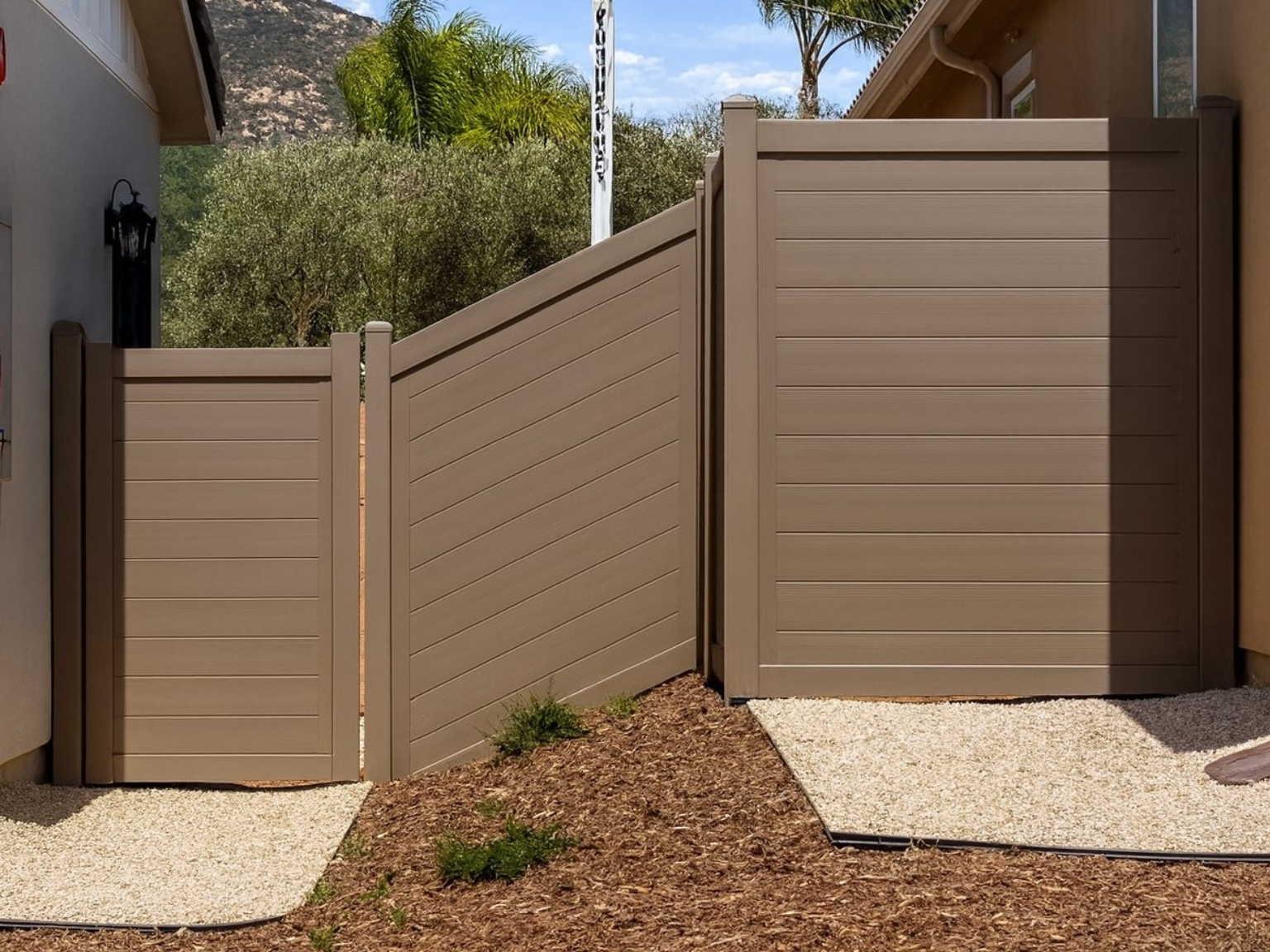
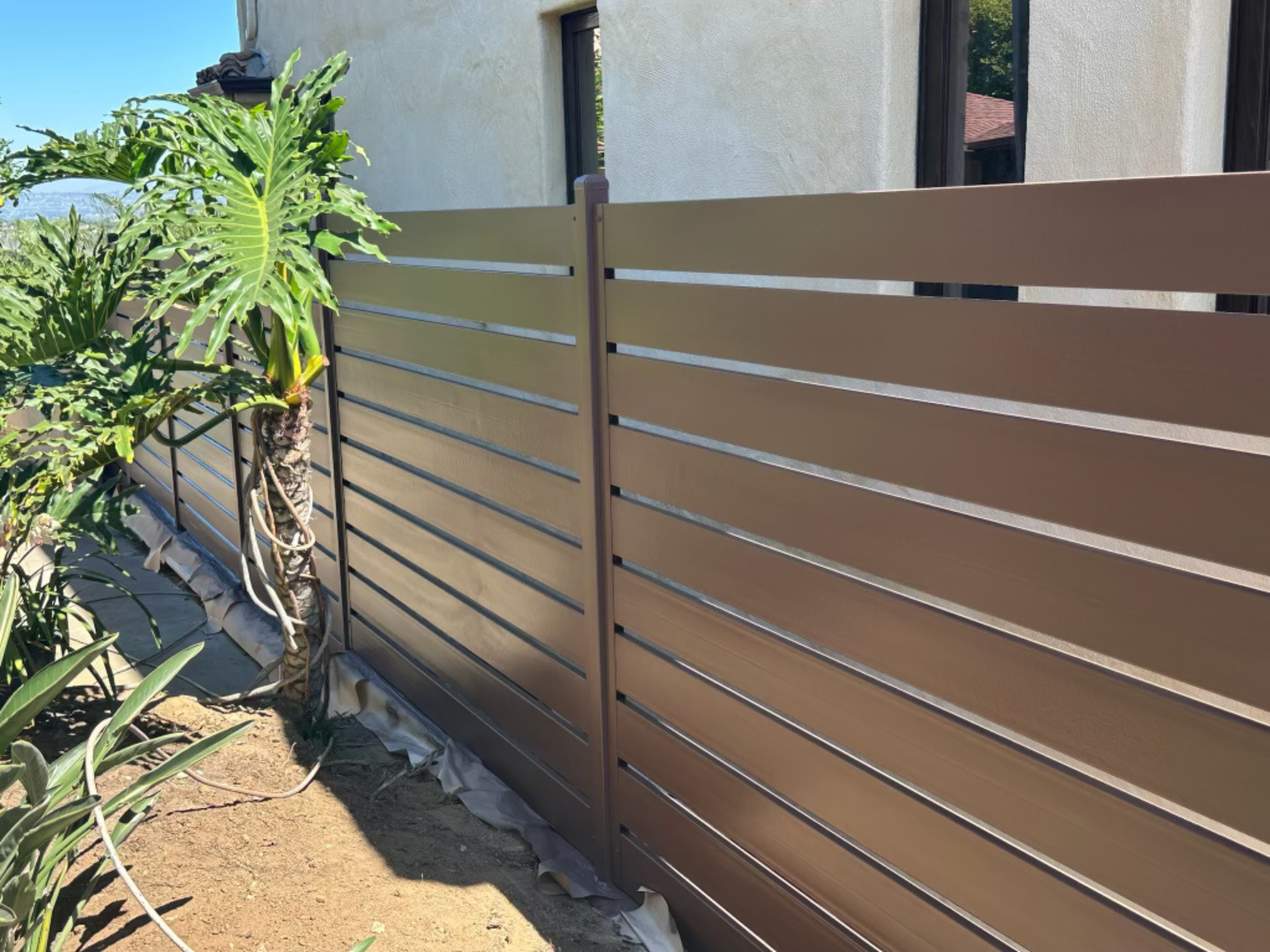
Noncombustible fence materials, such as metal privacy, ornamental iron, or chain link, may be worth considering near structures or in areas where Zone Zero planning is a priority. Wood fencing may still be appropriate in other parts of the property, but homeowners in fire-prone areas should be thoughtful about where it is placed and how it connects to the home.
Zone Zero does not mean every fence on a property must be the same material. Depending on privacy and design goals, some homeowners may use one material near the home and another material farther away.
Because rules and recommendations can change, homeowners should work with knowledgeable local professionals and verify current requirements for their specific property. Alpine Fence Company installs noncombustible fencing, which may be worth considering in areas where homeowners are impacted by Zone Zero.
How Fence Placement Can Affect Property Lines
Fence placement is one of the most important parts of a successful fencing project. Even the right material and height can create issues if the fence is installed in the wrong location.
Confirm the Property Line First
Homeowners should not assume that an old fence, hedge, wall, or worn path marks the true property line. Property boundaries can be unclear, especially on older properties or lots that have been modified over time.
Before installing a new fence, homeowners may need to review their property documents or consider a professional survey if the boundary is uncertain. This is especially important when replacing a fence along a shared line or installing a fence close to a neighbor’s property.
Think About Gates and Access Points
Fence placement should also account for how people will move through the property. Gates should be placed where they are convenient, functional, and easy to access.
Common gate locations include side yards, driveways, pool areas, gardens, dog runs, and backyard entry points. Poor gate placement can make daily use less convenient, even if the fence itself is well built.
Plan for Maintenance
Some fences need more maintenance access than others. Wood fences may need staining, sealing, or repairs over time. Vinyl may need occasional cleaning. Gates and hardware should also remain accessible.
When planning fence placement, homeowners should think about landscaping, slopes, irrigation, and narrow side yards. Leaving enough room for maintenance can help the fence last longer and make future repairs easier.
Communicate With Neighbors When Needed
If a fence is being installed or replaced near a shared property line, it may be helpful to communicate with the neighbor before work begins. This can help clarify expectations about placement, appearance, access, and timing.
Clear communication is especially helpful when the fence affects both properties or replaces an existing shared fence.
Common Fence Planning Mistakes to Avoid
Many fence issues can be avoided with planning. Before choosing a final fence height, style, or placement, homeowners should watch for these common mistakes:
- Assuming the existing fence marks the exact property line
- Choosing a fence height before checking local or HOA rules
- Forgetting to plan gate locations
- Choosing a style that does not match the purpose of the space
- Ignoring slope, drainage, or landscaping
- Installing a fence too close to plants or irrigation
- Overlooking how the fence will look from the neighbor’s side
- Using combustible materials near the home without considering Zone Zero
- Focusing only on privacy and forgetting maintenance access
A fence should support how the property is used now while also making sense for long-term maintenance, safety, and appearance.
Choosing the Right Fence for Your San Diego Property
The best fence depends on the property, the homeowner’s goals, and where the fence will be installed.
For privacy, vinyl, wood, or metal privacy may be strong options. These materials can help create a more enclosed backyard, patio, or side yard.
For visibility and security, ornamental iron or chain link may work well. These styles can define the property while keeping the space open.
For curb appeal, ornamental iron, wood, or decorative vinyl styles may be worth considering, especially in front-facing areas.
For low maintenance, vinyl and chain link may appeal to homeowners who want a functional fence with less upkeep.
For Zone Zero and fire-conscious planning, homeowners want to consider noncombustible materials, especially near the home or any structure.
In some cases, the best solution may involve more than one fence material. A property may benefit from a privacy fence in the backyard, an open fence in the front yard, and a noncombustible option near the home. Thinking through height, style, placement, and purpose together can help homeowners make a better long-term decision.
Work With a Local San Diego Fence Company
Alpine Fence Company has served San Diego County since 1983, installing vinyl, wood, ornamental iron, metal privacy, and chain link fencing for residential and commercial properties. Their team can help homeowners choose the right fence material, height, style, and placement based on the property’s layout, goals, and local considerations.
Whether you are replacing an old fence, planning a new property line fence, or thinking through Zone Zero requirements near your home, Alpine Fence Company can provide guidance and a free on-site estimate.
FAQ: Fence Height, Style, Placement, and Property Lines in San Diego
How close to my property line can I install a fence in San Diego?
Fence placement can depend on the property location, zoning rules, easements, HOA guidelines, and whether the fence is shared with a neighbor. Homeowners should confirm the property line before installation, especially if the boundary is unclear.
What fence height is best for privacy?
For backyard privacy, homeowners often choose taller fences that help block views from neighboring properties or streets. The best height depends on the property layout, local rules, HOA guidelines, and the level of privacy desired.
Do I need a permit for a fence in San Diego?
Permit requirements can vary by jurisdiction, fence height, material, and location. Homeowners should check with the appropriate city, county, or HOA before starting a fence project.
Can an HOA limit my fence height or style?
Yes. HOAs may have rules about fence height, material, color, placement, and approved styles. Homeowners should review HOA guidelines before selecting a fence.
Does fence style matter for property lines?
Yes. Fence style affects privacy, visibility, airflow, and appearance. For shared boundaries, homeowners may want to consider a style that looks finished from both sides.
Can I replace an existing fence in the same location?
In many cases, homeowners replace a fence in the same general area, but it is still important to confirm property lines and local requirements before installation.
What fence style is best for front yards?
Front-yard fences are often shorter or more open to preserve visibility and curb appeal. Ornamental iron, picket-style vinyl, or other open designs may work well depending on the home.
What fence style is best for backyards?
Backyard fences often prioritize privacy, security, pets, pools, or outdoor living. Vinyl privacy fencing, wood fencing, chain link, ornamental iron, or metal privacy may all be appropriate depending on the homeowner’s goals.
Does Zone Zero affect fence placement near my home?
Zone Zero may affect fence materials and placement within the first five feet around a home or structure, especially in fire-prone areas. Homeowners should check current local requirements and consider noncombustible materials when planning fencing close to the home.
What fence materials are best for Zone Zero planning?
Noncombustible materials such as metal privacy, ornamental iron, and chain link are worth considering near structures when Zone Zero planning is a concern. The right material depends on the property and how close the fence is to the home.
Who installs residential fencing in San Diego?
Alpine Fence Company installs residential fencing throughout San Diego County, including vinyl, wood, metal privacy, ornamental iron, and chain link fencing. Their team can help homeowners choose the right height, style, and placement for their property.