A fence does more than mark the edge of a property. It can provide privacy, improve security, contain pets, and shape the way an outdoor space looks and functions. But even a well-built fence will eventually show signs of age, especially after years of exposure to sun, moisture, wind, and everyday wear.
A few damaged boards or a loose gate may not mean the entire fence needs to go. When problems become widespread, however, continuing to make small fixes may no longer be the most practical solution. Knowing what to look for can help San Diego homeowners decide when maintenance is enough and when it may be time to consider a replacement.
How Do You Know When a Fence Needs to Be Replaced?
The clearest sign is not always the age of the fence. Its overall condition matters more. Damage limited to one board, post, or panel may be isolated, while problems appearing throughout the fence line can indicate that the structure is reaching the end of its useful life.
A fence may be ready for replacement when you notice:
- Multiple leaning or unstable posts
- Widespread rot, rust, cracking, or warping
- Panels that repeatedly loosen or separate
- Large gaps that reduce privacy or security
- Gates that sag, drag, or no longer latch correctly
- Damage affecting several sections of the fence
- Repairs becoming more frequent without solving the underlying problem
One symptom alone does not necessarily call for a full replacement. The important question is whether the problem is cosmetic and contained or structural and recurring.
Can a Damaged Fence Be Repaired Instead?
Some fence damage can be addressed without replacing the entire structure. A single loose board, damaged panel, or worn piece of hardware may be a localized issue, particularly when the surrounding posts and sections remain secure.
Replacement becomes more worth considering when damage affects a large portion of the fence, posts no longer provide stable support, or new problems continue to appear. It can also be difficult to match an older fence if its original material, color, or style is no longer available.
A professional evaluation can help determine whether the visible damage is limited to the surface or points to a larger structural concern.
Warning Signs by Fence Material
Fence materials age differently. Recognizing the warning signs associated with each material can make it easier to evaluate the fence as a whole.
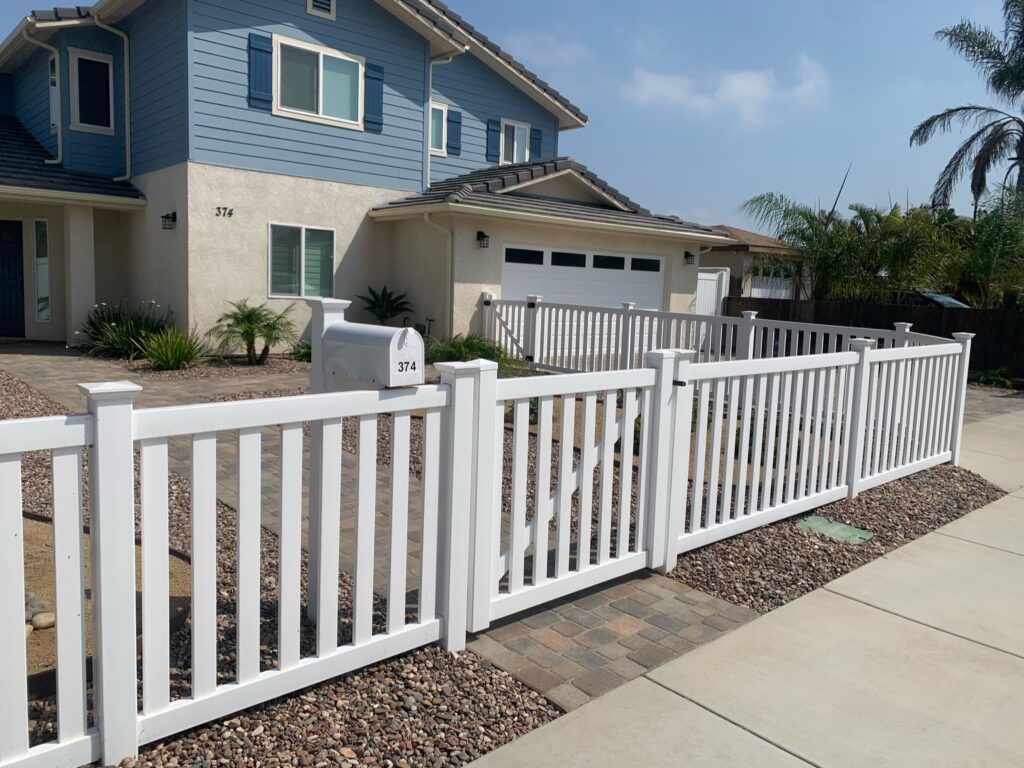
Vinyl Fencing
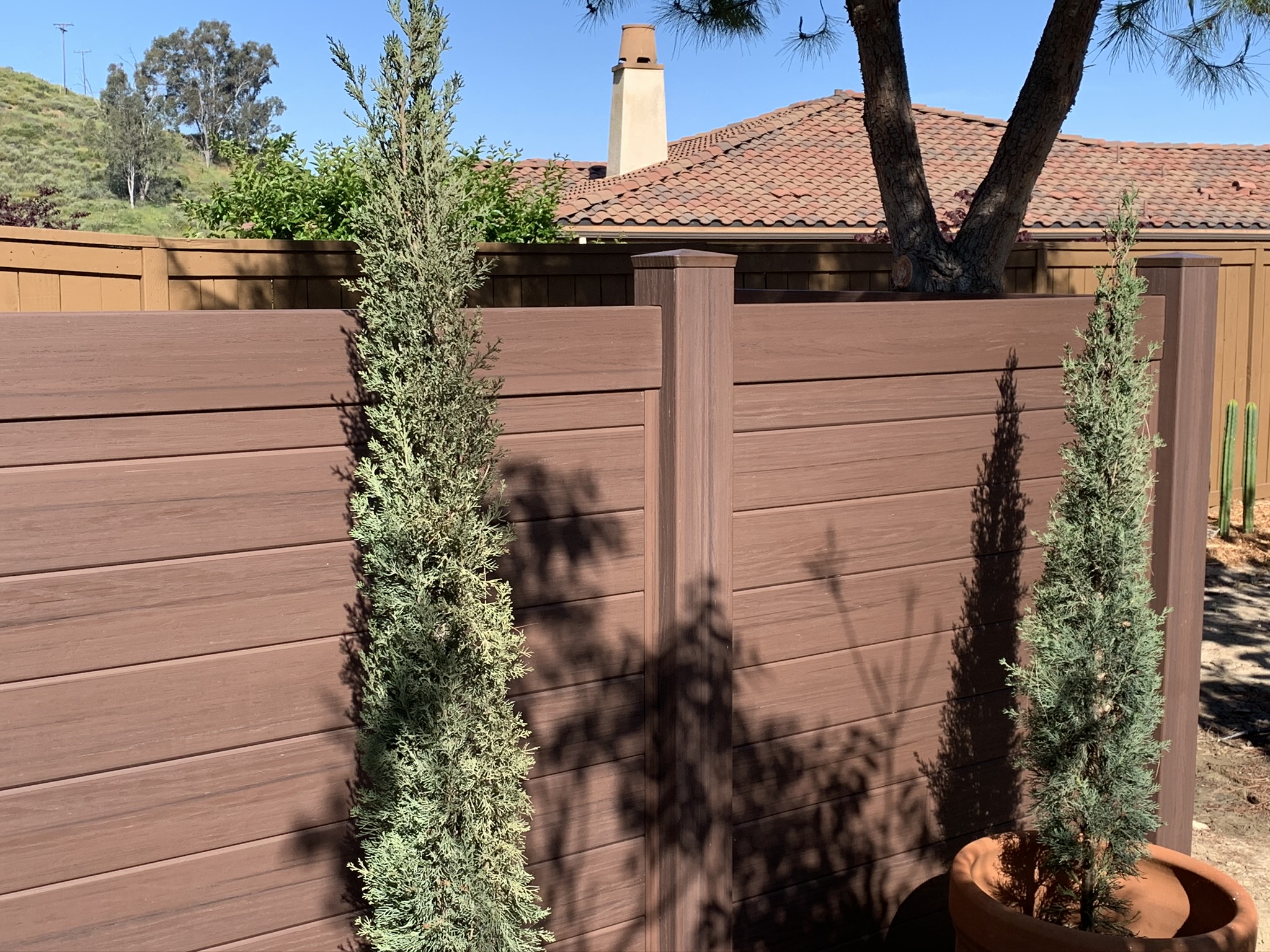
Vinyl fencing does not rot like wood, but it can still be damaged by impact, shifting posts, or prolonged environmental exposure. Look for cracked panels, broken rails, loose sections, or gates that no longer align properly. Surface dirt or fading alone is generally different from structural damage. If posts and rails remain secure, cleaning or limited attention may be all that is needed; widespread cracking or movement may call for a broader solution.
Wood Fencing
Wood fencing can develop discoloration, splintering, cracking, or minor movement as it ages. More serious concerns include soft or crumbling wood, widespread rot, insect damage, warped boards, and posts that move at ground level. If deterioration is limited to a small area, individual components may be addressable. When rot or instability appears across several sections, replacement may provide a more dependable long-term solution.
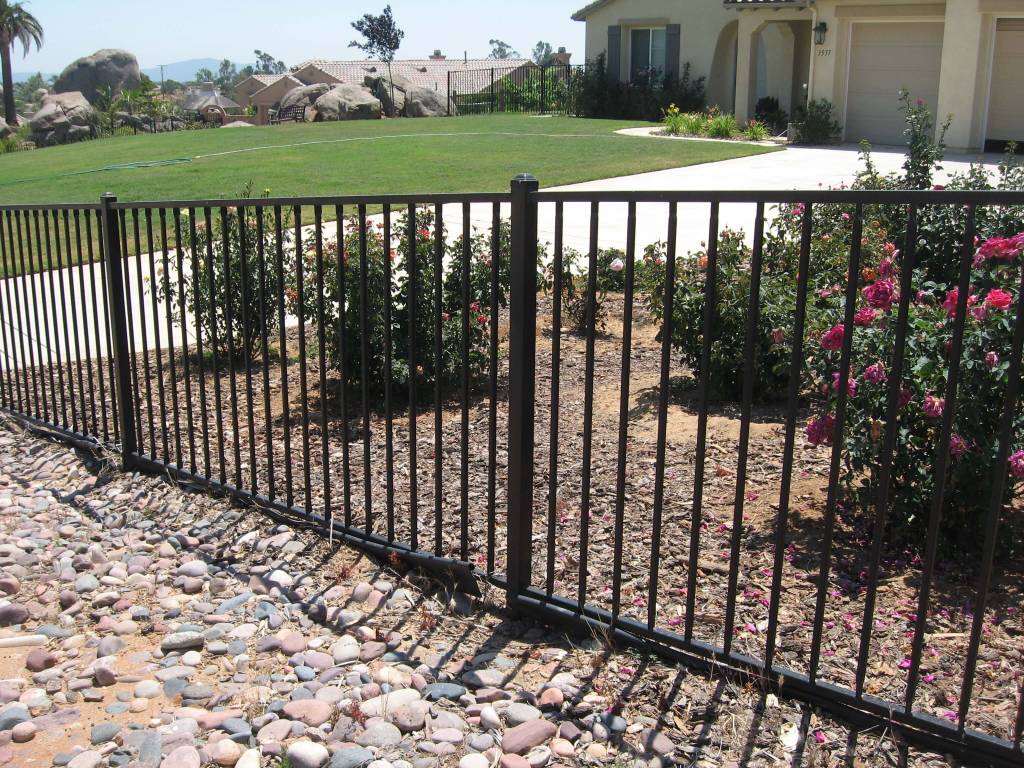
Ornamental Iron Fencing
Ornamental iron fencing is valued for strength and visibility, but damaged protective finishes can allow corrosion to develop. Small surface spots may be manageable when caught early. Flaking metal, deep corrosion, weakened connections, loose posts, or repeated rust across multiple sections can indicate more extensive deterioration. Gates should also open, close, and latch without excessive movement.
Chain Link Fencing
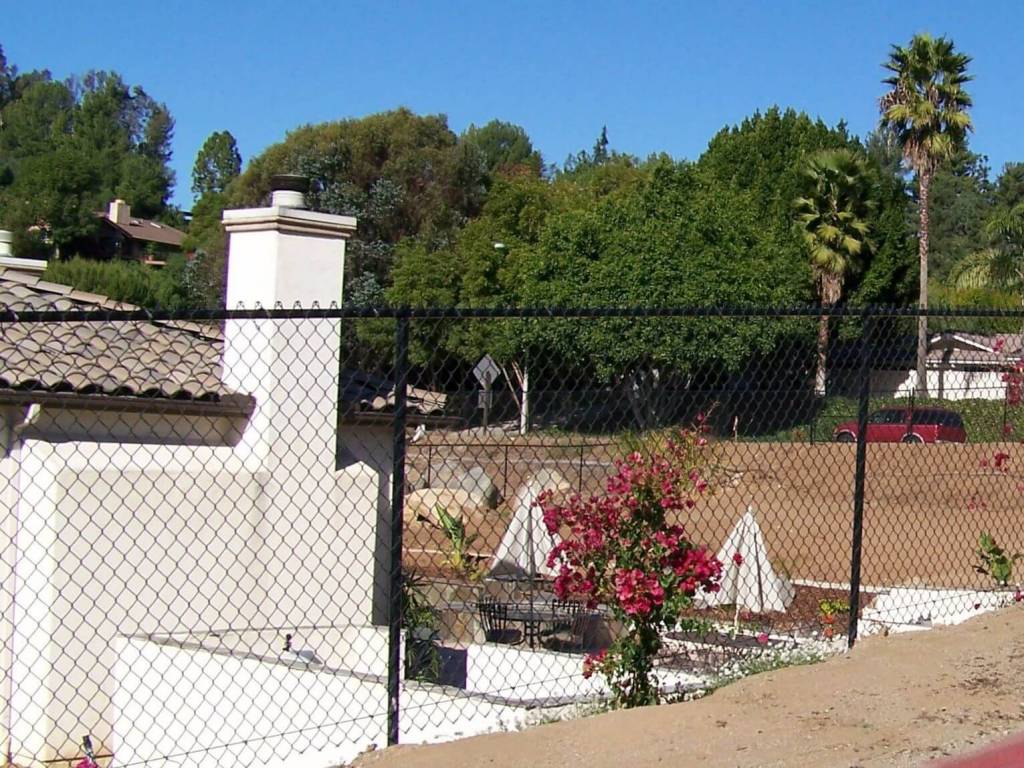
Common signs of wear in chain link fencing include bent framework, loose or sagging mesh, deteriorated coatings, damaged ties, and unstable terminal or line posts. A small, damaged area may be isolated, but widespread sagging or movement can reduce the fence’s ability to provide a secure boundary.
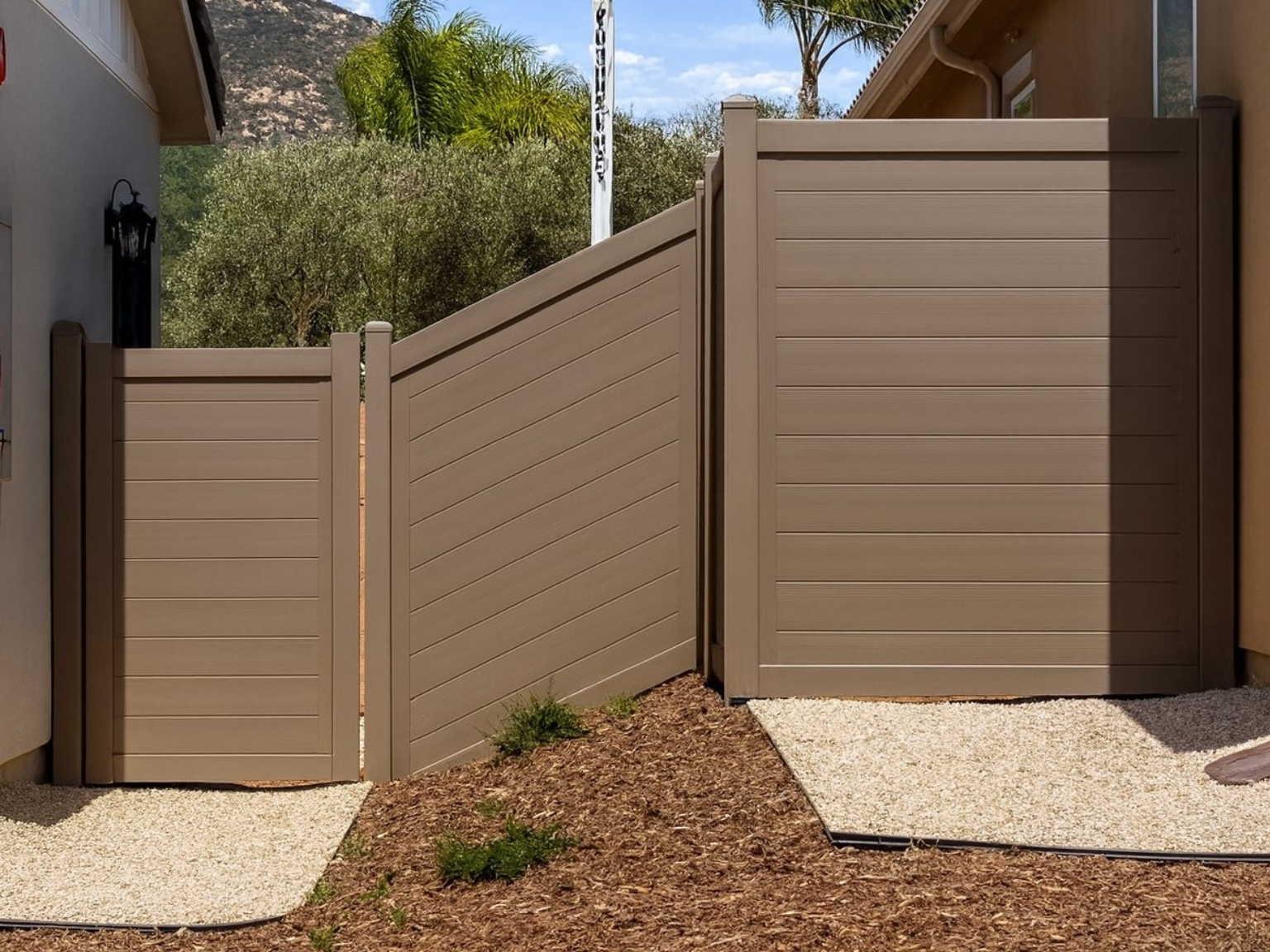
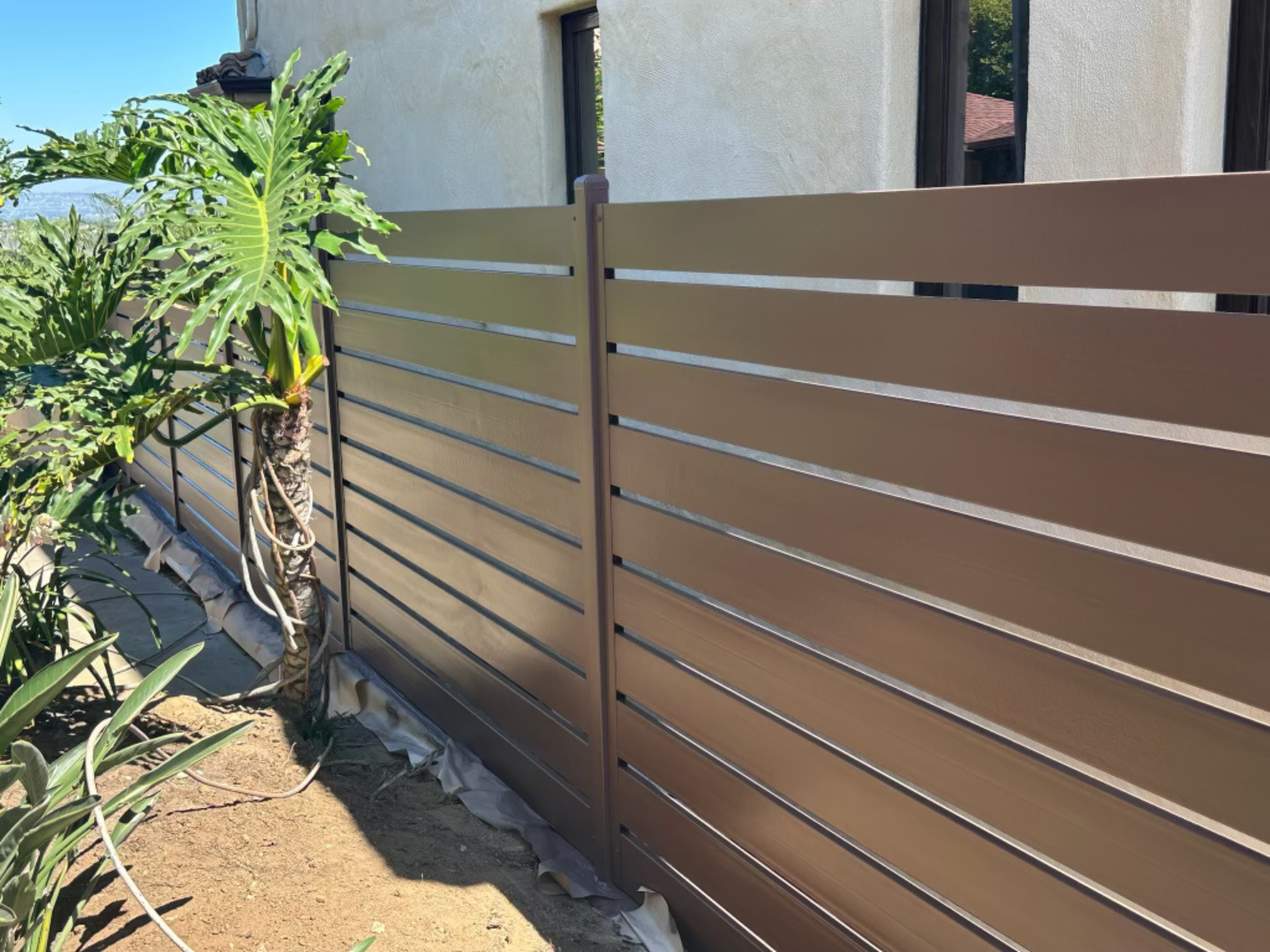
Metal Privacy Fencing
Metal privacy fencing combines solid coverage with a highly customizable, noncombustible design, making it an appealing Zone Zero-compatible option for San Diego properties. Although metal privacy fencing is durable and low maintenance, homeowners should still watch for damaged finishes, corrosion around hardware or connections, dented or misaligned panels, unstable posts, and gates that no longer open or latch properly.
How San Diego Conditions Affect an Aging Fence
San Diego’s climate is generally mild, but local conditions can still affect how a fence ages. The level of exposure varies significantly between coastal, inland, hillside, and canyon-adjacent properties.
Sun and UV Exposure
Year-round sunlight can gradually affect finishes, color, and surface condition. Wood may dry, crack, or fade when it is not maintained appropriately. Other materials can also show weathering after long-term UV exposure, particularly when a protective finish has worn away.
Coastal Air and Moisture
Ocean air, marine-layer moisture, and salt residue can accelerate wear, especially on exposed metal components and compromised finishes. Coastal exposure may also keep porous materials damp for longer periods, making routine inspection important.
Wind and Seasonal Weather
Strong winds place pressure on fence panels, posts, and gates. A fence that is already loose or weakened may begin leaning or shifting after windy conditions. Solid privacy fencing can receive more direct wind pressure than fencing with open spacing, making proper installation and stable posts especially important.
Soil and Drainage
Fence performance is also influenced by what happens below the surface. Erosion, poor drainage, expansive soil, and changes in grade can affect post stability over time. If several posts begin moving or the fence line shifts, the issue may involve more than the visible panels.
Should You Replace One Section or the Entire Fence?
Replacing one section can make sense when damage is clearly contained and the rest of the fence remains stable. A partial replacement may be less practical when the surrounding sections show similar wear or when matching the existing material is difficult.
Consider the following questions:
- Is the damage limited to one area, or is it appearing throughout the fence?
- Are the posts stable along the full fence line?
- Will the new section match the existing material and appearance?
- Is the current layout still meeting your privacy, security, and access needs?
- Are repeated fixes beginning to outweigh the value of keeping the existing fence?
Looking at the entire fence rather than the most visible damaged spot can lead to a better long-term decision.
What Should You Consider Before Replacing a Fence in San Diego?
Replacing a fence is an opportunity to reconsider how the boundary should serve the property. Before selecting a material or style, think about the following factors.
Property Lines and Placement
Confirm the intended fence line before work begins, particularly when the existing fence is shared with a neighbor or its placement is uncertain. Property conditions, easements, utilities, and access requirements can all affect where a fence can be installed.
Height and Local Requirements
Fence height and placement requirements can vary by location and property. Homeowners should check applicable local rules and any homeowners association requirements before finalizing a design.
Privacy, Security, and Visibility
A replacement fence does not have to copy the old one. Consider whether the priority is complete privacy, an open boundary, added security, pet containment, curb appeal, or a balance of several needs.
Maintenance Expectations
Different materials require different levels of ongoing care. Selecting an option that fits your willingness to clean, inspect, seal, or maintain it can help the new fence perform as intended over time.
Terrain and Exposure
Sloped ground, coastal air, strong sun, drainage, and seasonal wind can influence the most appropriate material and installation method. A fence should be planned for the conditions of the specific property, not just its appearance in a sample.
Frequently Asked Questions About Fence Replacement
How do I know whether to repair or replace my fence?
Localized cosmetic damage may be addressable without replacing the entire fence. Replacement is more likely to make sense when posts are unstable, deterioration is widespread, several sections are failing, or problems repeatedly return after individual fixes.
Is a leaning fence always a sign that it needs replacement?
Not always. One leaning section may be caused by a damaged post or a localized soil issue. If multiple sections lean or the fence continues to shift, the problem may be more extensive and should be evaluated.
Can individual fence panels be replaced?
In some cases, yes. The feasibility depends on the fence’s construction, the condition of its posts and rails, and whether compatible materials are still available. A replacement panel may not match an older, weathered fence exactly.
Should fence posts be replaced with the panels?
Posts do not automatically need replacement when panels are changed, but they should be checked for movement, corrosion, rot, and damage. New panels depend on stable posts for proper support.
What causes fences to deteriorate in San Diego?
Common contributors include prolonged sun exposure, coastal salt and moisture, wind, drainage problems, soil movement, impact damage, and deferred maintenance. The effects vary by material and property location.
Does salt air damage fencing?
Salt air can accelerate corrosion on unprotected metal and metal hardware. It can also contribute to wear when salt residue and moisture remain on a fence surface. Protective finishes, suitable materials, cleaning, and routine inspections can help limit damage.
What time of year is best to replace a fence in San Diego?
San Diego’s mild climate can allow fence installation during much of the year. Scheduling may depend more on property conditions, rain, contractor availability, and the scope of work than on a single ideal season.
Do I need to replace the entire fence if only one section is damaged?
Not necessarily. A partial replacement may be reasonable if the damage is isolated and the remaining structure is sound. If nearby sections show similar wear, replacing a larger portion may produce a more consistent and reliable result.
What should I consider when selecting a replacement fence material?
Consider the property’s exposure, desired privacy, security needs, maintenance expectations, terrain, style, and budget. The best choice is the material that fits both the location and the way the fence needs to function.
Do I need approval before replacing a fence in San Diego?
Requirements may depend on the property’s location, fence height, placement, community rules, and scope of work. Check applicable local regulations and homeowners association requirements before installation.
Who installs replacement fences in San Diego?
Alpine Fence Company installs wood, vinyl, ornamental iron, chain link, and metal privacy fencing for residential and commercial properties throughout San Diego County. Its in-house team can evaluate the property and help identify an appropriate replacement option.
Plan a Fence That Fits Your Property
An aging fence does not always need to be replaced at the first sign of wear. The decision depends on the extent of the damage, the stability of the structure, and whether the fence still provides the privacy, security, and function the property requires.
When problems become widespread, a thoughtfully planned replacement can address more than visible deterioration. It can improve the fence’s layout, material performance, appearance, and ability to meet the property’s current needs.
Alpine Fence Company has served San Diego County since 1983 and installs wood, vinyl, ornamental iron, chain link, and metal privacy fencing. Contact Alpine Fence to schedule a free on-site estimate and explore replacement options suited to your property.